Pay in installments of $6.38 with
 ,
,
 and
and

Shipping Estimate
USA
- USA
- CAN
- USA
- CAN
Ships within 48 hours · Estimated delivery Sep 28 - Oct 3
 Promo Codes Available:
For Your Every Summer RSVP, with Code: SUMMER15
Description
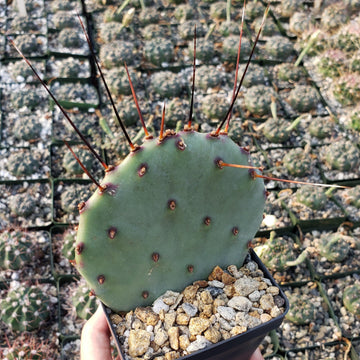
sonoran desert prickly pear cactus Purple Prickly Pear 'Opuntia macrocentra'The purple prickly pear cactus, also known as Opuntia macrocentra, which belongs to the Prickly pear family. Native to the Sonoran desert and New Mexico, the purple prickly pear is known for its distinctive appearance and vibrant purple pad, which give it its common name. This purple cactus is also referred to as a black spine prickly pear or a long spine prickly pear because of its long, dark spines that protrude from the top of the pad. The pads of
The purple prickly pear cactus, also known as Opuntia macrocentra, which belongs to the Prickly pear family. Native to the Sonoran desert and New Mexico, the purple prickly pear is known for its distinctive appearance and vibrant purple pad, which give it its common name.
This purple cactus is also referred to as a black spine prickly pear or a long spine prickly pear because of its long, dark spines that protrude from the top of the pad.
The pads of the purple prickly pear are flat and oval-shaped, with a slightly wavy edge. When it's cold outside or when there is a drought, these pads can turn purple or magenta.
When it gets warmer, they return to their original color of blue-green. They can grow up to 4 feet tall and 6 feet wide and are covered in clusters of spines, which are actually modified leaves called glochids.
This purple cactus plant spreads sideways more than upwards and does not develop a central trunk.
The flowers of the purple prickly pear are one of the most eye-catching features of the Opuntia cactus. During the spring and early summer, this purple cactus produces large, showy, beautiful flowers that can range in color from yellow to orange. These bright yellow flowers attract pollinators like bees and butterflies, adding a burst of color to the landscape.
The fruit of the purple prickly pear cactus, also known as the "tuna," is edible. It has a sweet and juicy flavor similar to other types of prickly pears. However, be careful when handling the fruit, as the cactus pads have spines. Make sure to remove the spines and skin before consuming it. Purple prickly pear can be enjoyed fresh, used in desserts, or made into jams and jellies.
When and How to Water Your Purple Prickly Pear Cactus
The Purple prickly pears have specific watering needs to thrive. It's important to strike a balance and avoid overwatering. These cacti prefer well-drained soil, so make sure the pot has drainage holes.
In the spring and summer, during the growing season, water the purple prickly pears thoroughly but allow the soil to dry out between waterings. Aim to water them every 1-2 weeks, depending on the weather and humidity levels.
In the cool winter months, when the purple cactus plant is in its dormant period, it reduces watering significantly. Only water it when the soil is completely dry, which may be every 4-6 weeks. It's crucial to avoid waterlogged soil during this time to prevent root rot.
Remember, it's always a good idea to check the moisture level of the soil before watering. Stick your finger about an inch into the soil, and if it feels dry, it's time to water. Adjust the watering frequency based on the specific needs of your purple prickly pears and the conditions in your environment.
Light Requirements - Where to Place Your Purple Prickly Pear Cactus
If you're growing purple prickly pears indoors, find a spot near a south-facing window where they can soak up plenty of sunlight. You can also supplement their light needs with a grow light, if necessary, especially during the winter months when daylight hours are shorter.
For outdoor cultivation, the Opuntia macrocentra prefers full sun to partial shade for at least 6-8 hours a day. While these Purple cacti enjoy abundant sunlight, be cautious of intense, scorching midday sun during the summer.
If you notice signs of sunburn, such as yellow or brown patches on the pads, consider providing some light shade during the hottest part of the day.
Remember, finding the right balance is key. Aim to provide your purple prickly pears with ample sunlight while also protecting them from extreme heat or prolonged exposure to intense sunlight, which can fade their purple color. With the right light conditions, your purple, blue, and green prickly pears will thrive and display their vibrant hues!
Optimal Soil & Fertilizer Needs
The Opuntia macrocentra favors very airy, sandy soil that drains well. Planting them in ordinary soil will result in compacted roots, stunted growth, and, most likely, root rot. Instead, make or buy well-drained soil, or ideally, use our specialized cactus potting mix that contains 5 natural substrates and mycorrhizae to promote the development of a strong root system that helps your purple cactus plant to thrive.
Related Product
Here at Planet Desert, you can also get this beautiful purple prickly pear in large clusters.
When it comes to fertilizing purple prickly pears, they don't require excessive amounts of nutrients. During the growing season, once a year in the spring, fertilize them with a balanced, water-soluble cactus fertilizer containing an equal amount of NPK (5-10-5). Apply the fertilizer once a year to provide a slow, gentle boost of nutrients.
However, it's important to avoid overfertilization, as this can lead to excessive growth and weak stems. Remember, it's best to fertilize purple cactus during the active growing season and reduce or stop fertilization altogether during the cold winter months when the cactus is dormant. This will help promote healthy growth and ensure your purple prickly pears remain happy and vibrant.
Hardiness Zone & More
When growing indoors, your Purple prickly pear thrives in temperatures between 45-85°F and can tolerate occasional drops as low as 35°F during the winter months. If you live in a humid climate, make sure to provide good air circulation around the purple cactus to prevent excess moisture and reduce the risk of fungal diseases.
When grown outdoors, purple prickly pears are best suited for USDA zones 6-10. The purple prickly pear is a quite frost-resistant cactus, hardy to 20° F. However, in cultivation, it is better not to expose it to temperatures lower than 35 F, even if in an aerated and protected location, in order to avoid the formation of anti-aesthetic spots on the epidermis.
In cooler climates, they can be grown in containers and brought indoors during the winter months to protect them from frost. They generally prefer low to moderate humidity levels.
Wildlife - Purple Prickly Pear Attracts the Following Friendly Pollinators
The purple prickly pear is a favorite among pollinators, particularly bees, hummingbirds, and butterflies. Its vibrant yellow flowers are highly attractive due to their bright colors and accessible pollen. These flowers serve as an essential food source for native bee populations, while the plant’s fruit provides additional sustenance for birds and other wildlife. This dual role in supporting pollinators and wildlife makes the purple prickly pear a beneficial addition to gardens focused on ecological diversity.
Toxicity: The purple prickly pear is generally non-toxic to humans and pets, although its spines and glochids (tiny barbed hairs) can cause irritation upon contact. While the fruit and pads are sometimes edible (after proper preparation to remove glochids), the plant should be approached with caution, especially around pets and children, due to the spines.
How to Propagate Your Purple Prickly Pear Cactus?
To propagate your purple prickly pear cactus, you can take stem cuttings from the plant and allow them to callous over before planting them in well-draining soil. Another method is to collect the seeds from the fruit of the cactus and plant them in a seed-starting mix, keeping them moist until they germinate. Both methods can be successful in propagating your purple prickly pear cactus and expanding your collection of these unique plants.
Key Takeaways
- The pads of this cactus have a striking purple hue, especially during cooler months or in dry conditions, adding a vibrant pop of color to desert landscapes.
- It produces brilliant yellow flowers with red centers, which bloom in late spring to early summer, attracting pollinators like bees and butterflies.
- Well-suited to arid environments, the Purple Prickly Pear requires minimal water, thriving in full sun and sandy, well-drained soil.
- Its colorful fruit, called "tunas," provides food for birds and other wildlife, while also being edible for humans after careful preparation.
- Unlike some cacti, it can withstand cooler temperatures, surviving down to about 20°F in USDA zones 6-10, making it suitable for a variety of climates.
The Bottom Line
The Purple Prickly Pear (Opuntia macrocentra) is a stunning, hardy cactus ideal for those seeking a visually striking and low-maintenance plant. Known for its distinct purple pads, which become more vibrant under cooler temperatures or drought stress, this cactus adds unique color to any garden. In late spring, the plant blooms with beautiful yellow flowers, each displaying a red center, attracting a variety of pollinators such as bees and butterflies. This cactus is highly drought-tolerant, thriving in full sun and well-draining, sandy soil, and requires minimal watering once established. Cold-hardy to about 20°F.
Be sure to Add Purple prickly pear cactus Opuntia macrocentra to your home or garden and enjoy its low maintenance care while admiring its impressive display of yellow flowers year after year.
Shipping Notes
- Free Standard Shipping on $100+ Orders to the USA.
- Except Preorder products are shipped in 48 hours.
- Delivery to the USA:
- Standard Shipping : 3-10 business days
- If time is of the essence, please consider selecting expedited delivery for faster service.
Exchange/Return Notes
- We offer a 30-day return/exchange service after receiving.
- Final sale items are not eligible for returns or exchanges.
- To process your return/exchange, please contact us at [email protected]
- Please click here for more details>>> Return & Exchange Policy