Pay in installments of $6.01 with
 ,
,
 and
and

Shipping Estimate
USA
- USA
- CAN
- USA
- CAN
Ships within 48 hours · Estimated delivery Aug 30 - Sep 4
 Promo Codes Available:
For Your Every Summer RSVP, with Code: SUMMER15
Description
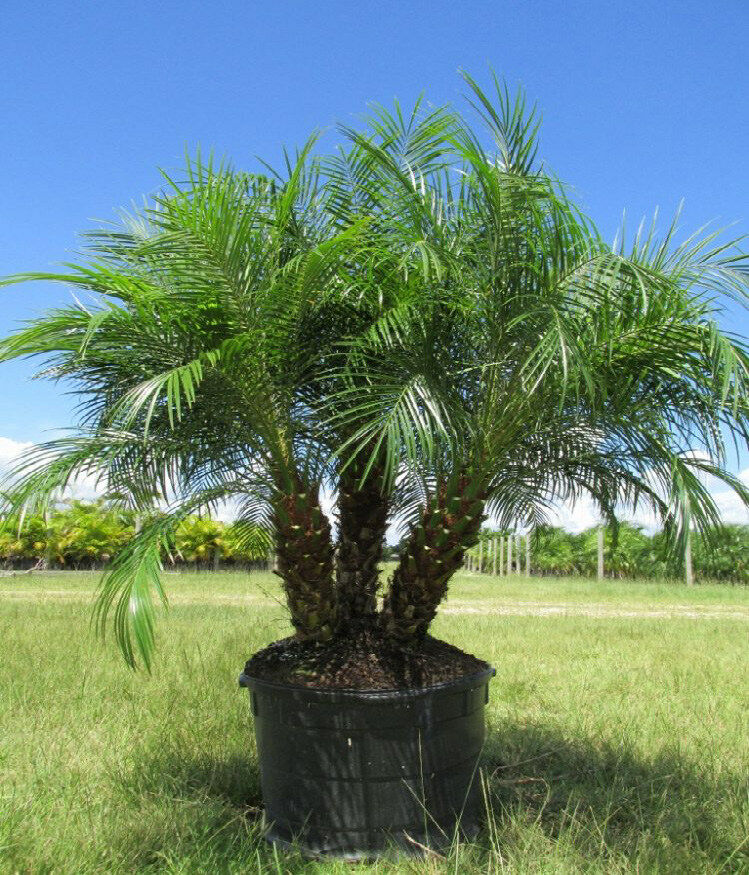
pygmy palm plant Pygmy Date Palm Palm TreeOverview The Pygmy Date Palm is a small to medium sized palm, typically reaching heights between 6 to 10 feet, although it can grow up to 12 feet in optimal conditions. It features a slender, fibrous trunk that is often covered in old leaf bases, giving it a distinctive, textured appearance. The trunk is topped with a crown of elegant, feathery fronds that arch gracefully outward. Each frond is composed of numerous narrow leaflets with a slightly
Overview
The Pygmy Date Palm is a small to medium-sized palm, typically reaching heights between 6 to 10 feet, although it can grow up to 12 feet in optimal conditions. It features a slender, fibrous trunk that is often covered in old leaf bases, giving it a distinctive, textured appearance. The trunk is topped with a crown of elegant, feathery fronds that arch gracefully outward. Each frond is composed of numerous narrow leaflets with a slightly glossy surface, adding to the plant's overall lush and tropical aesthetic.
Advantages:
|
|
Grows Best:Landscape Container House Plant |
|
Ideal position:Full Sun 6 + Hours best |
|
Growth Outlook:Height : 10-12' Wide: 6 - 12' Growth Rate: Slow Plant Spacing: 12' - 18' |
|
Pet Friendly - yes
|
Description
Roebelenii palm / Pygmy Date Palm
The Pygmy Date Palm, scientifically known as Phoenix roebelenii, is a popular choice for both indoor and outdoor gardening due to its compact size, attractive appearance, and relatively easy care requirements. Native to Southeast Asia, this palm is well-suited to the warm climates of USDA hardiness zones 10-11, but it can also thrive indoors in cooler climates.
The Pygmy Date Palm is a small to medium-sized palm, typically reaching heights between 6 to 10 feet, although it can grow up to 12 feet in optimal conditions. It features a slender, fibrous trunk that is often covered in old leaf bases, giving it a distinctive, textured appearance. The trunk is topped with a crown of elegant, feathery fronds that arch gracefully outward. Each frond is composed of numerous narrow leaflets with a slightly glossy surface, adding to the plant's overall lush and tropical aesthetic.
One of the most appealing aspects of the Pygmy Date Palm is its ability to produce small, ornamental fruits. These fruits, resembling miniature dates, start as yellow before ripening to a dark, purplish-black color. While not as tasty or substantial as true dates, they add an interesting visual element to the plant. However, it's important to note that the plant is dioecious, meaning it requires both a male and female plant to produce fruit.
In terms of care, the Pygmy Date Palm is relatively low-maintenance. It prefers bright, indirect light but can tolerate lower light conditions, making it a versatile choice for various locations. It thrives in well-draining soil and requires regular watering to keep the soil consistently moist, but not waterlogged. Overwatering can lead to root rot, a common issue with many palm species.
The Pygmy Date Palm is also relatively resistant to pests, although it can occasionally be affected by common houseplant pests such as spider mites or mealybugs. Regular inspection and prompt treatment can help keep these pests at bay.
In summary, the Pygmy Date Palm is a charming and versatile palm that can add a touch of tropical elegance to a variety of settings. Whether showcased in a garden or brightening up an indoor space, this palm is sure to impress with its graceful fronds, textured trunk, and ornamental fruits.
- The Pygmy Date Palm, or Phoenix roebelenii, is a compact, elegant palm tree known for its feathery fronds and slender, textured trunk.
- It typically grows between 6 to 10 feet tall, making it an excellent choice for smaller landscapes or indoor gardening.
- This palm tree produces small, ornamental fruits that resemble miniature dates, adding an interesting visual element to the plant.
- The Pygmy Date Palm prefers bright, indirect light and well-draining soil. It requires regular watering but is relatively low-maintenance.
While it's resistant to most pests, it can occasionally be affected by common houseplant pests like spider mites or mealybugs. Regular inspection and prompt treatment can help keep these pests at bay.
Caring For
| Position | Water | Temps | Food |
Caring for a Pygmy Date Palm (Phoenix roebelenii) involves providing the right conditions and regular maintenance to ensure its health and vitality. Here is a description of how to care for a Pygmy Date Palm:
1. Lighting: Place your Pygmy Date Palm in a location that receives bright, indirect light. It can tolerate some shade, but too much shade may result in slower growth and less vibrant foliage.
2. Watering: Keep the soil consistently moist but not waterlogged. Water the palm thoroughly when the top inch of soil feels dry to the touch. Ensure proper drainage to prevent waterlogging, which can lead to root rot. During winter or in cooler climates, reduce watering frequency.
3. Fertilization: Feed your Pygmy Date Palm with a balanced, slow-release palm fertilizer during the growing season (spring and summer). Follow the package instructions for the appropriate dosage. Avoid over-fertilizing, as it can cause fertilizer burn and damage the plant.
4. Pruning: Remove any dead or yellowing fronds regularly to maintain the palm's appearance and prevent the risk of pests or diseases. Use clean, sharp pruning shears to make clean cuts near the base of the trunk. Avoid cutting healthy green fronds, as they contribute to the plant's overall health.
5. Temperature and Humidity: Pygmy Date Palms thrive in warm temperatures between 65-85°F (18-29°C). They can tolerate brief periods of cooler temperatures but are not frost-tolerant. Maintain a moderate to high humidity level around the plant, especially if grown indoors. Misting the fronds occasionally or using a humidifier can help increase humidity.
6. Pests and Diseases: Monitor your Pygmy Date Palm for common pests like spider mites, mealybugs, or scale insects. If detected, treat the infestation promptly with appropriate insecticidal soap or horticultural oil. Additionally, ensure good air circulation around the plant to prevent fungal diseases.
7. Repotting: As the Pygmy Date Palm grows, it may require repotting every 2-3 years. Choose a well-draining potting mix and a slightly larger container. Gently remove the palm from its current pot, loosen the roots, and place it in the new container. Fill with fresh soil, ensuring the palm is at the same depth as before.
By following these care instructions, you can enjoy a healthy and thriving Pygmy Date Palm, adding a touch of tropical beauty to your indoor or outdoor space.
Shipping Notes
- Free Standard Shipping on $100+ Orders to the USA.
- Except Preorder products are shipped in 48 hours.
- Delivery to the USA:
- Standard Shipping : 3-10 business days
- If time is of the essence, please consider selecting expedited delivery for faster service.
Exchange/Return Notes
- We offer a 30-day return/exchange service after receiving.
- Final sale items are not eligible for returns or exchanges.
- To process your return/exchange, please contact us at [email protected]
- Please click here for more details>>> Return & Exchange Policy