Pay in installments of $5.47 with
 ,
,
 and
and

Shipping Estimate
USA
- USA
- CAN
- USA
- CAN
Ships within 48 hours · Estimated delivery Sep 26 - Oct 1
 Promo Codes Available:
For Your Every Summer RSVP, with Code: SUMMER15
Description
can you plant sage in a pot White Sage Plants ‘Salvia apiana’The white sage plant, known as Salvia apiana, is a fragrant evergreen shrub popular in gardens for drought tolerant, or low maintenance landscapes. This Salvia apiana reflects the white to silver appearance of its elliptical leaves. It has several other common names such as Sacred Sage, or bee sage. The plants unique scent, which is both pungent and sweet, is a defining feature, and is often grown in herb gardens, medicinal plant collections, and
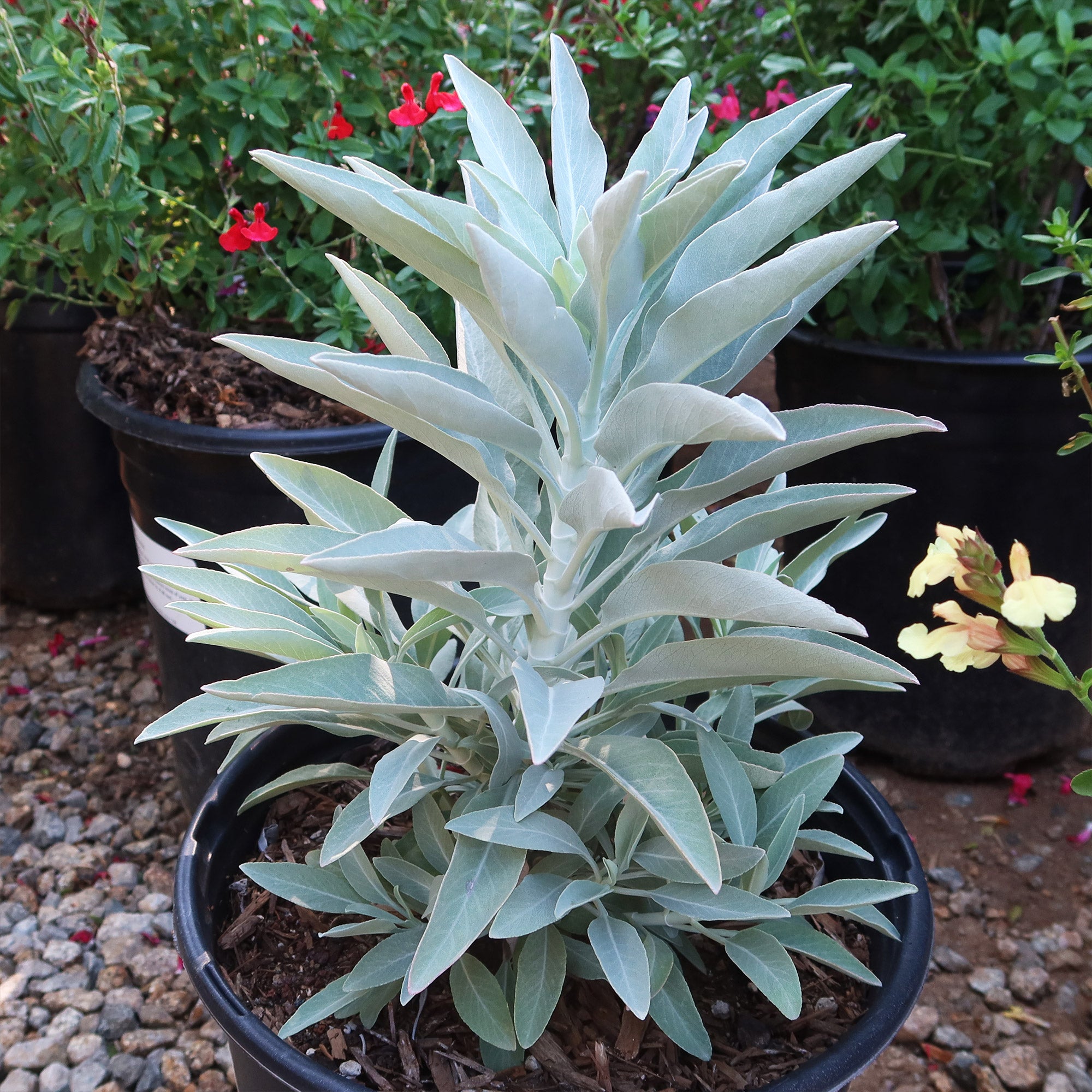
The white sage plant, known as Salvia apiana, is a fragrant evergreen shrub popular in gardens for drought-tolerant, or low-maintenance landscapes. This Salvia apiana reflects the white-to-silver appearance of its elliptical leaves.
It has several other common names such as Sacred Sage, or bee sage. The plant’s unique scent, which is both pungent and sweet, is a defining feature, and is often grown in herb gardens, medicinal plant collections, and ornamental spaces for its aesthetic appeal and cultural value.
It is most commonly used in Native American rituals for ceremonial smudging and cleansing. White sage is often bundled into smudge sticks for these rituals, which are deeply rooted in Indigenous practices.
This California white sage is renowned for its historical and cultural significance. The only region where white sage naturally occurs are Southern California and Northern Baja. It holds significant cultural value for the Indigenous communities in these areas.
The White Sage typically can grow up to 5 feet tall and wide.
The silvery-white foliage gives the plant its characteristic look, with leaves that are slightly furry to the touch, adding a soft texture to the landscape.
Its upright, woody stems support this compact structure, making it ideal for borders, drought-tolerant gardens, focal points for water-wise gardens, or as a specimen plant in a xeriscape design. This sage plant is also reflective of the moon and night lighting.
The white sage plant blooms in late spring to summer, with white to pale lavender flowers. The white sage flower stalks can reach up to 6 feet in height. These delicate blooms not only enhance the plant’s ornamental value but also provide a vital food source for a variety of pollinators.
When and How to Water Your White Sage Plant
Native to arid regions, these white sage plants are adapted to drought conditions, so they prefer infrequent watering. When watering your sage plant, it's essential to mimic its natural habitat by allowing the soil to dry out between waterings. Overwatering can lead to root rot and other issues, so it's crucial to strike a balance.
In the spring and summer, during the growing season, you can water your Salvia apiana more frequently, but always check the soil moisture level before watering. A good practice is to water deeply but less frequently to encourage the plant's roots to grow deeper into the soil. In contrast, during the winter months or dormant periods, reduce watering to prevent waterlogged soil, which can harm the plant.
Observing your Salvia apiana plant for signs of wilting or drooping can also indicate when it needs water. Remember, it's better to underwater than overwater white sage plants. By understanding and meeting the watering needs of your Salvia apiana, you can help it thrive and enjoy its aromatic foliage and beautiful white flowers.
Light Requirements – Where to Put White Sage
When grown indoors, it's crucial to place your white sage plant in a location that receives plenty of bright, indirect sunlight for at least 4-6 hours. A south-facing window is ideal for indoor Salvia apiana, as it can get the sunlight it needs without being exposed to direct harsh rays that could scorch its leaves. Rotate the plant occasionally to ensure all sides receive adequate light for even growth.
For outdoor cultivation, white sage plants thrive in full sun conditions. They require at least 6 to 8 hours of direct sunlight daily to grow vigorously and produce their aromatic leaves and flowers.
Ensure no large trees or structures shade the plant during the day. It is well-suited to arid and sunny climates, making it an excellent choice for gardens in regions with plenty of sunlight.
By providing the right amount of light, whether indoors near a sunny window or outdoors in a full-sun location, you can help your plant flourish and maintain its health and vitality.
Remember to adjust the plant's position as needed to ensure it receives adequate sunlight for robust growth and abundant foliage.
Optimal Soil & Fertilizer Needs
White sage prefers well-draining soil with a sandy or gravelly texture, mimicking its natural arid habitat. Planting them in ordinary soil will result in compacted roots, stunted growth, and most likely root rot. A well-drained potting mix works well for container-grown plants, ensuring excess water can easily drain away to prevent root rot. Instead, make or buy a well-draining potting mix, or ideally use our Go to soil-cactus-mix-blend-1-gal-4-qt-cacti-succulent-dirt-compost-growing-media that contains 5 natural substrates and mycorrhizae to promote the development of a strong root system that helps your plant to thrive.
In terms of fertilization, white sage is a low-maintenance plant that doesn't require frequent feeding. A light application of a balanced fertilizer, such as a 10-10-10 formula, in the spring as new growth begins can help provide the necessary nutrients for the plant's development. Avoid over-fertilizing, as this can lead to excessive foliage growth at the expense of the plant's aromatic qualities.
Organic fertilizers, such as compost or well-aged manure, can also be beneficial for California white sage plants. These natural fertilizers provide a slow release of nutrients that can support the plant's growth without the risk of chemical buildup in the soil. By selecting the right soil type and using a balanced fertilizer sparingly, you can help your plant thrive and maintain its unique fragrance and appearance.
Hardiness Zone & More
When grown indoors, white sage prefers a warm and dry environment similar to its native habitat. Maintain indoor temperatures around 60-75°F during the day and slightly cooler at night. Avoid placing the plant near drafts or heating vents that can create temperature fluctuations, which may stress the plant.
For outdoor cultivation, white sage is well-suited to regions with warm to hot climates. It is typically recommended for USDA hardiness zones 9-11, where temperatures remain above freezing throughout the year. It can tolerate temperatures down to approximately 20°F, but prolonged exposure to frost can damage the plant. In terms of humidity, it thrives in low-humidity environments, making it an excellent choice for arid or semi-arid regions where humidity levels are naturally low.
This traditional method of drying white sage leaves helps to preserve their aroma and medicinal properties. Once the leaves are completely dry, they can be used for smudging rituals or for making herbal teas.
Wildlife - White Sage Plant attracts the following Friendly-Pollinators
White Sage flowers are particularly loved for their ability to attract pollinators, especially native bees like the California bumblebee or carpenter bees. The abundance of nectar in its flowers serves as a food source for various pollinators, contributing to the health of the surrounding ecosystem. In addition to bees, the plant is frequently visited by hummingbirds and butterflies, adding a dynamic element to any garden.
Toxicity: As for toxicity, White Sage is generally non-toxic to humans, pets, and livestock. It is safe for use in herbal preparations and ceremonies, and there are no significant risks of toxicity for dogs, cats, or birds. However, as with any plant, it’s essential to ensure that pets don’t consume large quantities, as excessive ingestion of any plant material may cause minor gastrointestinal discomfort in sensitive animals.
Propagating White Sage Plant
To propagate white sage plants, you can use both seeds and stem cuttings. When propagating from Salvia apiana seeds, start by collecting mature seeds from the plant and sowing them in a well-draining soil mix in early spring. Keep the soil consistently moist but not waterlogged until the seeds germinate. For stem cuttings, take a 4-6 inch cutting from a healthy Salvia plant, remove the lower leaves, and place the cutting in a pot with a mix of perlite and peat moss. Keep the soil lightly moist and provide indirect light until roots develop. With proper care and attention, you can successfully propagate Salvia apiana plants to expand your garden or share with others.
Key Takeaways
- It is most commonly used in Native American rituals for ceremonial smudging and cleansing.
- White Sage (Salvia apiana) is a hardy, aromatic shrub with striking silvery foliage and fragrant leaves.
- Known for its cultural significance and ability to thrive in dry, arid conditions.
- Perfect for low-maintenance, drought-tolerant gardens.
- It reaches a mature size of 5 feet, with upright growth and tall spikes of pale lavender flowers.
- Requires full sun, well-drained soil, and minimal watering once established.
- Ideal for xeriscaping due to its drought tolerance.
- It attracts pollinators and is non-toxic, making it versatile for both ornamental and practical uses.
- A standout addition to your garden—order your white sage plant for sale today!
Shipping Notes
- Free Standard Shipping on $100+ Orders to the USA.
- Except Preorder products are shipped in 48 hours.
- Delivery to the USA:
- Standard Shipping : 3-10 business days
- If time is of the essence, please consider selecting expedited delivery for faster service.
Exchange/Return Notes
- We offer a 30-day return/exchange service after receiving.
- Final sale items are not eligible for returns or exchanges.
- To process your return/exchange, please contact us at [email protected]
- Please click here for more details>>> Return & Exchange Policy