Pay in installments of $7.08 with
 ,
,
 and
and

Shipping Estimate
USA
- USA
- CAN
- USA
- CAN
Ships within 48 hours · Estimated delivery Sep 25 - Sep 30
 Promo Codes Available:
For Your Every Summer RSVP, with Code: SUMMER15
Description
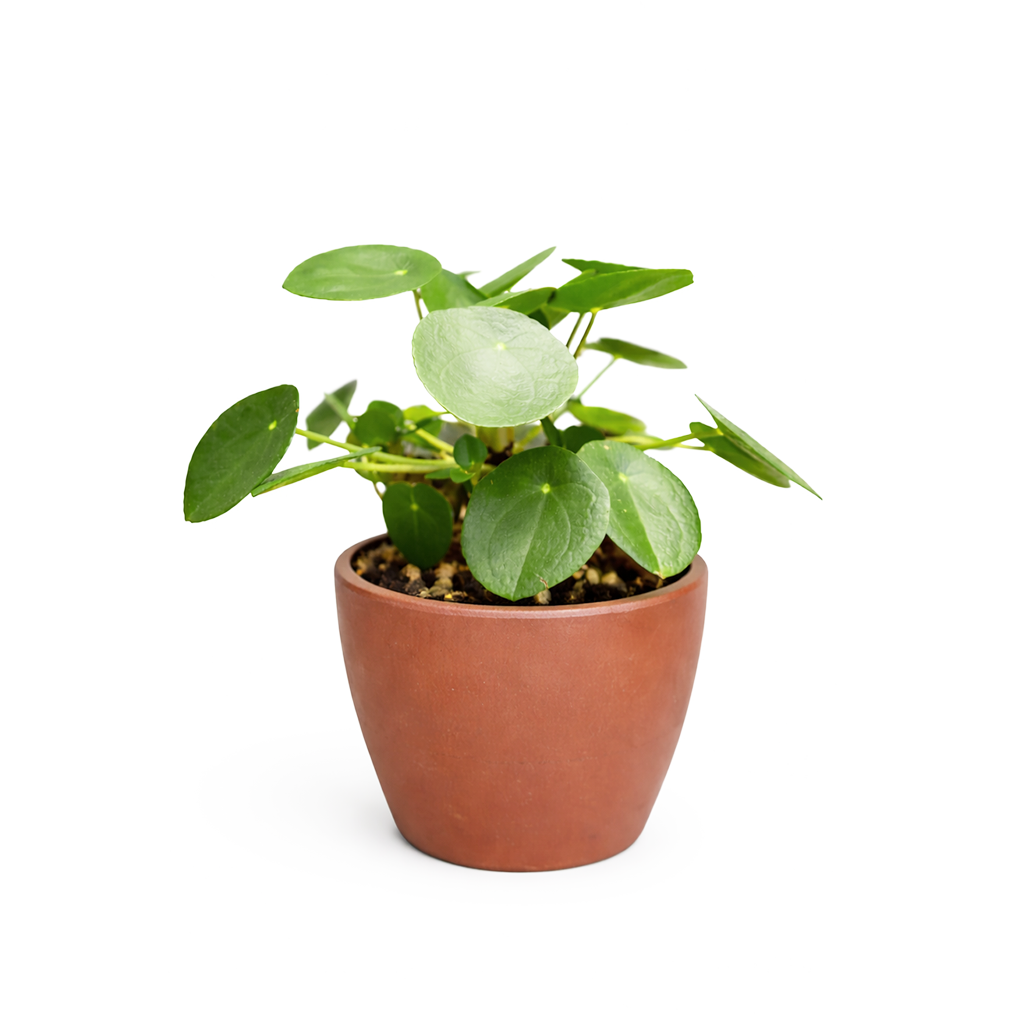
where can i buy a chinese money plant Pilea Peperomioides 'Chinese Money', Feng Shui Houseplant for Your HomeDescription Light Soil Water Hardiness Pilea Peperomioides, or Chinese Money Plant, is a rare houseplant with coin shaped green leaves. Its round leaves resemble coins, symbolizing wealth and prosperity. Placing this plant in your home or office is believed to attract financial abundance and good luck. The leaves have long, thin leaf stems growing around the trunk of the plant. This unique foliage makes Pilea Peperomioides a bold and precious addition
-
Pilea Peperomioides, or Chinese Money Plant, is a rare houseplant with coin-shaped green leaves. Its round leaves resemble coins, symbolizing wealth and prosperity. Placing this plant in your home or office is believed to attract financial abundance and good luck. The leaves have long, thin leaf stems growing around the trunk of the plant. This unique foliage makes Pilea Peperomioides a bold and precious addition to your houseplant collection.
Pilea Peperomioides is an Asiatic perennial herb native to Yunnan Province in Southern China, growing at the foot of the Himalayas mountains. It is believed that this plant was brought to Scandinavia in the 1940s, and became popular throughout the Nordic countries before spreading to other parts of the world.
Pilea Peperomioides is a fast grower and can reach about 12" in both height and width.
A mature Pilea Peperomioides may produce clusters of small white flowers on pink-tinged stems. -
Pilea Peperomioide needs bright, indirect sunlight. It does not tolerate low light conditions. Too little light can slow down its growth and makes this plant leggy. Avoid harsh direct sun to prevent scorching leaves.
Pilea Peperomioides needs watering about once per week or whenever the first 2" of the soil is dry. Always check the soil before watering and drain well to avoid root rot.
Pilea Peperomioides does not like waterlogged soil, and the best soil for this plant is well-drained, porous potting soil that can promote healthy root development.
This plant grows best in normal room temperatures (between 65°F-85°F). This plant is not frost-tolerant and it does not grow well when the temperature drops below 50°F. Pilea Peperomioides thrives in average indoor humidity, and it is recommended that you mist your plant and use a humidifier when the environment is too dry (humidity level falls below 50%). Low humidity can cause brown patches on the leaves.
This plant should be fertilized once per month during the growing season (spring/summer) with diluted houseplant fertilizer.
-
USDA Zone 9-11
USDA Zone 9b: to -3.8 °C (25 °F)
USDA Zone 10a: to -1.1 °C (30 °F)
USDA Zone 10b: to 1.7 °C (35 °F)
USDA Zone 11: above 4.5 °C (40 °F)
Shipping Notes
- Free Standard Shipping on $100+ Orders to the USA.
- Except Preorder products are shipped in 48 hours.
- Delivery to the USA:
- Standard Shipping : 3-10 business days
- If time is of the essence, please consider selecting expedited delivery for faster service.
Exchange/Return Notes
- We offer a 30-day return/exchange service after receiving.
- Final sale items are not eligible for returns or exchanges.
- To process your return/exchange, please contact us at [email protected]
- Please click here for more details>>> Return & Exchange Policy