Pay in installments of $6.08 with
 ,
,
 and
and

Shipping Estimate
USA
- USA
- CAN
- USA
- CAN
Ships within 48 hours · Estimated delivery Sep 25 - Sep 30
 Promo Codes Available:
For Your Every Summer RSVP, with Code: SUMMER15
Description
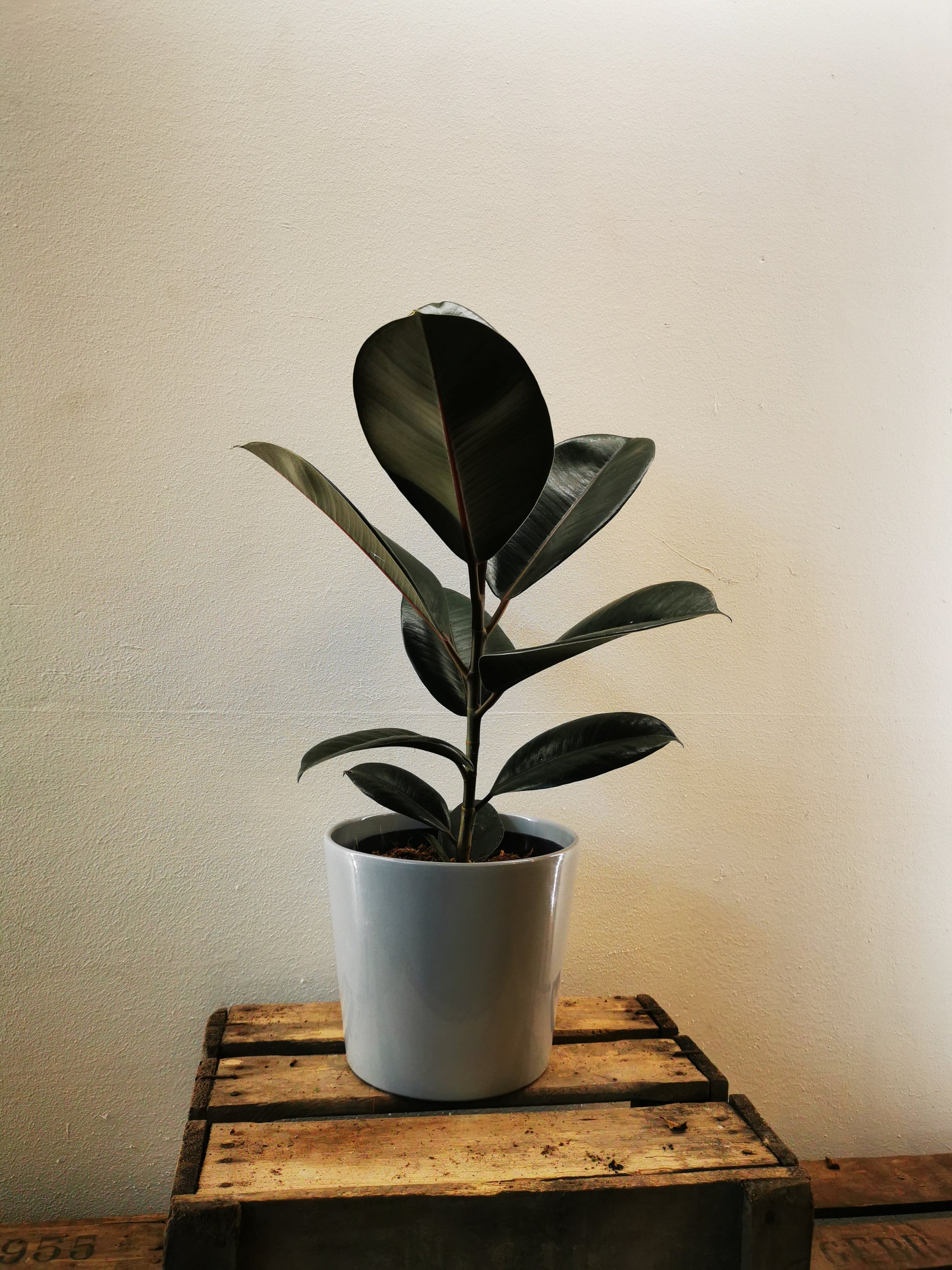
25 35cm ficus abidjan rubber plant 12cm pot house plant Ficus Elastica Abidjan | Rubber PlantHome delivery throughout Belgium. Collection in Leuven possible A real gem for the living room Lifelong help for all your plant questions The Ficus Elastica Abidjan is the perfect plant for anyone looking to enhance their interior with a robust yet stylish eye catcher. With its sturdy, glossy leaves, it instantly adds a tropical touch to your living room or office. Thanks to its adaptability, this rubber tree is ideal for beginner plant lovers looking
- Home delivery throughout Belgium.
- Collection in Leuven possible
- A real gem for the living room
- Lifelong help for all your plant questions
The Ficus Elastica Abidjan is the perfect plant for anyone looking to enhance their interior with a robust yet stylish eye-catcher. With its sturdy, glossy leaves, it instantly adds a tropical touch to your living room or office. Thanks to its adaptability, this rubber tree is ideal for beginner plant lovers looking for an easy-to-care-for houseplant.
Pair your Ficus Elastica Abidjan with a matching pot from our houseplant pot collection to complete the look and prevent your rubber tree from growing in a pot that's too cramped. Want to learn more about ficus care? Check out our comprehensive blog post on ficus care for additional tips and tricks.
How to care for a Ficus Elastica Abidjan
Watering the Ficus Elastica Abidjan
It's important to keep your Ficus Elastica Abidjan evenly moist, but not soaking wet. Water about once a week and allow the top layer of potting soil to dry slightly between waterings. In winter, the plant needs slightly less water because its growth rate slows down. Preferably use lukewarm or room-temperature water to prevent root shock.
Light requirements for the Ficus Elastica Abidjan
The Ficus Elastica Abidjan grows best in a location with bright, indirect light. Avoid direct sunlight, as this can burn the leaves and cause discoloration. Place the plant near an east- or west-facing window for an ideal balance of light and shade. A bright location also encourages healthy growth, without the plant gravitating towards the light source.
Common problems
Yellow leaves
Yellow leaves can indicate either too much or too little water. First, check the moisture content of the potting soil and adjust your watering accordingly. In addition, a sudden change in temperature or a drafty location can stress the plant, causing discoloration of the leaves. Maintain a consistent temperature and avoid placing it near radiators or doors.
Plant moisture drips
Sometimes you'll see droplets of moisture on the leaves or around the trunk; this is guttation and is a normal process in ficuses. The plant expels excess moisture through special stomata. This occurs especially in high humidity and at night, when the plant transpires less. There's no need to worry about this as long as there are no wilting or other symptoms.
Pests (insects)
Spider mites, mealybugs, or scale insects can unnecessarily weaken your Ficus Elastica Abidjan. Regularly check under the leaves and along the veins for sticky or cottony patches. If an infestation is starting, you can spray with water or use an organic product like neem oil. For more detailed information on pest control, see our page on sticky traps for fungus gnats .
Roots coming out of the bottom of the pot
When the roots grow through the drainage holes at the bottom, it's time to repot. Choose a pot one size larger and use fresh, airy potting soil for ficus . This gives the roots more room to breathe and encourages new growth. Repotting is best done in spring, just before the growing season.
Brown edges on the leaves
Brown leaf edges often indicate dry air or irregular watering. Ensure sufficient humidity by spraying occasionally or using a humidifier. Don't place the plant too close to a heater, as this will further dry out the air. Check your potting soil for excessive nutrient salts; rinse and refresh it if in doubt.
Frequently Asked Questions
Is the Ficus Elastica Abidjan poisonous?
Yes, the Ficus Elastica Abidjan contains latex and is toxic to humans and animals if ingested. Therefore, keep the plant out of reach of children and pets. You may experience mild skin irritation after touching it, so wash your hands after handling it. If toxicity is a concern, consider our non-toxic houseplants for safe alternatives.
What types of Ficus Elastica are there?
There are several varieties within the rubber tree family. Some popular types include:
- Ficus Elastica Tineke (striped leaves) – https://deplantrekkers.com/products/ficus-elastica-tineke
- Ficus Elastica Belize (dark red leaf) – https://deplantrekkers.com/products/ficus-elastica-belize
- Ficus Elastica Ruby (pink new leaves)
- Ficus Lyrata (fig-leaf plant) – https://deplantrekkers.com/products/ficus-lyrata-kopen-leuven
- Ficus Microcarpa Ginseng Bonsai – https://deplantrekkers.com/products/ficus-microcarpa-ginseng-bonsai
- Ficus elastica Decora
- Ficus elastica Burgundy
Looking to expand your plant collection? Discover our ZZ plant or the exotic Monstera Deliciosa for a diverse selection.
Shipping Notes
- Free Standard Shipping on $100+ Orders to the USA.
- Except Preorder products are shipped in 48 hours.
- Delivery to the USA:
- Standard Shipping : 3-10 business days
- If time is of the essence, please consider selecting expedited delivery for faster service.
Exchange/Return Notes
- We offer a 30-day return/exchange service after receiving.
- Final sale items are not eligible for returns or exchanges.
- To process your return/exchange, please contact us at [email protected]
- Please click here for more details>>> Return & Exchange Policy