Pay in installments of $7.20 with
 ,
,
 and
and

Shipping Estimate
USA
- USA
- CAN
- USA
- CAN
Ships within 48 hours · Estimated delivery Sep 30 - Oct 5
 Promo Codes Available:
For Your Every Summer RSVP, with Code: SUMMER15
Description
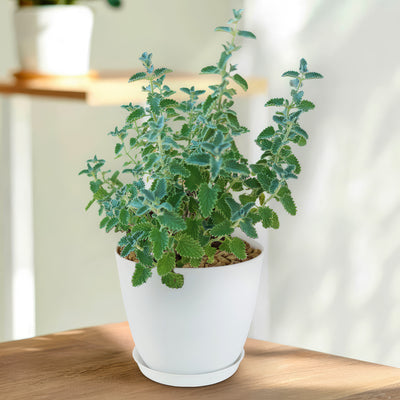
catmint indoor plant Catmint Plant ‘Nepeta faassenii’The Catmint plant, known as Nepeta faassenii is a popular drought tolerant perennial known for its aromatic foliage and long lasting blooms. This low maintenance plant belongs to the mint family and is highly regarded for its adaptability and drought tolerance, making it an excellent choice for a variety of garden settings. The Nepeta faassenii is also known as Faassens Catmint or blue catmint. Unlike catnip, which is known for attracting cats,
The Catmint plant, known as Nepeta faassenii is a popular drought-tolerant perennial known for its aromatic foliage and long-lasting blooms. This low-maintenance plant belongs to the mint family and is highly regarded for its adaptability and drought tolerance, making it an excellent choice for a variety of garden settings. The Nepeta faassenii is also known as Faassen’s Catmint or blue catmint. Unlike catnip, which is known for attracting cats, Faassen's Catmint is less likely to induce the same level of feline excitement, though some cats may still find it mildly stimulating.
Catmint (Nepeta faassenii) is not found in the wild, as it is a hybrid species created from two parent plants, Nepeta racemosa and Nepeta nepetella. Both parent species are native to regions of southern Europe, including parts of the Mediterranean. Over time, this hybrid has gained widespread popularity and is now cultivated in gardens across temperate zones worldwide.
This Catmint plant typically grows up to 24 inches tall and spreads about 36 inches wide, and makes a good ground cover for small area.
Its compact size makes it a suitable option for both small gardens and large landscapes. When planted in masse, it forms an attractive, flowing carpet of color and texture.
Its spreading nature is balanced, meaning it does not aggressively take over spaces like some other mint family members.
With its grey-green foliage the leaves of catmint are slightly fuzzy and release a minty fragrance when brushed or crushed making plant appealing in sensory gardens. Its sprawling habit is ideal for borders, edging, or groundcover, where its foliage forms a dense mat that suppresses weeds.
The catmint plant is resistant to most pests and diseases. Deer and rabbits tend to avoid catmint due to its strong scent, which further enhances its value in landscapes prone to these animals.
Catnip blooms for a long time, which is one reason it is so popular, as it provides a beautiful carpet of flowers. The plant produces a profusion of lavender-blue flowers that appear from late spring to early summer and often rebloom throughout the growing season, especially if regularly deadheaded. The small, tubular flowers bloom in spikes above the foliage, creating a striking contrast to the gray-green leaves. The blooms not only add beauty to the garden but also serve as a food source for beneficial insects.
Catmint is often confused with catnip (Nepeta cataria), but while they share similarities, Nepeta faassenii is typically preferred for ornamental purposes due to its more controlled growth and profuse flowering habit.
When and How to Water Your Catmint Plant
The Nepeta faassenii is a drought-tolerant plant that requires minimal watering once established. This plant is well-adapted to dry conditions and thrives in full sun to partial shade. When watering catmint, it's essential to allow the soil to dry out between waterings to prevent root rot. Overwatering can be harmful to the plant's health, so it's better to err on the side of underwatering than overwatering.
During the plant's establishment period, typically the first growing season, it's crucial to provide regular watering to help the roots establish. Once the plant is well-established, usually after the first year, you can reduce the frequency of watering. Catmint is a resilient plant that can withstand periods of drought, making it a low-maintenance option for gardeners looking to conserve water. In winter, as the plant is dormant water sparingly to prevent root rot.
To determine when to water catmint, you can check the soil moisture by inserting your finger into the soil. If the top inch of soil feels dry to the touch, it's time to water the plant. Water thoroughly, allowing it to penetrate the soil and reach the roots. Mulching around the plant can help retain soil moisture and reduce the frequency of watering.
Light Requirements – Where to Place Your Catmint Plant
When grown indoors, it's essential to place the plant in a location where it can receive bright, indirect light. A south or west-facing window is ideal for indoor catmint, as it can benefit from several hours of sunlight each day. If natural light is insufficient, you can supplement with grow lights to ensure the plant receives the necessary light intensity.
For outdoor cultivation, catmint thrives in full sun, which is defined as at least 6-8 hours of direct sunlight per day. However, catmint can also tolerate partial shade, especially in regions with intense afternoon sun. When planting catmint outdoors, choose a location with well-draining soil and ample sunlight exposure. Avoid areas with excessive shade or competition from larger plants that might block sunlight.
Optimal Soil & Fertilizer Needs
The catmint plants thrive in well-draining soil that is rich in organic matter. When planting catmint, ensure the soil is loamy and has good drainage to prevent waterlogging, which can lead to root rot.
Planet Desert specializes in succulents and has specialized potting soil , opens in a new tabthat includes an organic substrate with mycorrhizae to help with the growth of a healthy root system to help you thrive.
When it comes to fertilizing catmint, a balanced NPK fertilizer with equal parts of nitrogen, phosphorus, and potassium can support healthy growth and bloom.
However, catmint is a relatively low-maintenance plant that doesn't require heavy feeding. Fertilize catmint plants sparingly in the spring with a slow-release fertilizer or a diluted liquid fertilizer.
Avoid over-fertilization, which can result in excessive foliage growth at the expense of flower production.
Organic fertilizers, such as compost tea or fish emulsion, can be beneficial for catmint plants as they provide a slow and steady release of nutrients. These organic fertilizers also help maintain soil health and promote beneficial microbial activity. Regularly monitoring the plant's growth and overall health can guide you in determining the appropriate timing and amount of fertilizer to apply.
Hardiness Zone & More
When growing Nepeta faassenii catmint indoors, it's important to provide the plant with a temperature range of around 55-75°F during the day and slightly cooler temperatures at night. Catmint plants generally prefer moderate humidity levels, ideally between 40% to 60%. To increase humidity levels indoors, you can use a humidifier or place a tray filled with water and pebbles near the plant to create a humid microclimate. Proper ventilation is also crucial to prevent the buildup of excess moisture around the plant, which can lead to fungal issues.
For outdoor cultivation, it is suitable in USDA zones 3 to 9. These plants are known for their adaptability to various climates but thrive best in regions with cooler temperatures. Catmint plants can tolerate a wide range of temperatures, but they prefer moderate temperatures between 60-80°F. In hotter climates, providing some afternoon shade can help protect the plant from excessive heat stress. Adequate air circulation around the plants can help reduce humidity levels and prevent issues such as powdery mildew.
Wildlife - Catmint Plant attracts the following Friendly-Pollinators
The Catmint is a pollinator magnet, attracting a wide variety of beneficial insects to the garden. Bees, butterflies, and hummingbirds are especially drawn to its nectar-rich flowers, making it a valuable addition to pollinator-friendly landscapes. By planting Nepeta faassenii, gardeners can encourage biodiversity while enjoying the movement and activity of these pollinators throughout the growing season. The flowers’ tubular shape makes them ideal for long-tongued pollinators, such as bumblebees, which can easily access the nectar inside.
Toxicity: Nepeta faassenii is generally considered non-toxic to humans, dogs, and cats, making it a safe choice for households with pets and children. While some cats may show interest in the plant, it does not have the same intense effect as catnip. Faassen’s Catmint is also regarded as safe for birds, contributing to its suitability for wildlife-friendly gardens. However, as with any plant, it is always advisable to monitor pets and children in the garden to prevent excessive ingestion of any plant material.
Catmint Plant Propagation
To propagate your catmint plant, you can use several methods such as division, stem cuttings, or seed propagation. Division involves separating a mature plant into smaller sections, each with roots attached, and replanting them to grow new plants. This method works best in the early spring or fall, when the plant is not actively growing. Another common method is propagating catmint through stem cuttings. You can take 4–6-inch cuttings from the plant's healthy stems, remove the lower leaves, and place them in a well-draining potting mix. Until roots develop, keep the soil moist and expose it to indirect light.
Additionally, you can propagate Nepeta faassenii catmint from seeds. Collect seeds from mature plants and sow them in a seed-starting mix. Keep the soil consistently moist and provide warmth and bright light for germination. Once the seedlings are established, you can transplant them to their final growing location.
Key Takeaways
- Catmint plants, including Nepeta faassenii, are known for attracting pollinators such as bees and butterflies with their fragrant flowers. This can help support local ecosystems and biodiversity.
- It can withstand periods of dry weather once established. This makes it a low-maintenance and water-efficient choice for gardens.
- Catmint plants, as the name suggests, contain compounds that are attractive to cats. Cats may exhibit playful behavior or relaxation when near catmint, adding a fun element to your garden if you have feline friends.
- Nepeta faassenii catmint typically has a long blooming period, producing clusters of small, lavender-blue flowers from late spring to early fall. This extended flowering time can provide color and interest in the garden for several months.
- Catmint plants are generally easy to grow and care for. They thrive in well-draining soil and full sun to partial shade, making them a versatile and adaptable addition to various garden settings.
The Bottom Line
Overall, the Catmint (Nepeta faassenii) is an exceptional choice for gardeners and plant enthusiasts due to its fragrant, gray-green foliage, lavender-blue flowers, and low-maintenance nature. This drought-tolerant perennial thrives in sunny locations with well-draining soil, making it perfect for borders, ground cover, or pollinator gardens. With a mature height of 24 inches and a spread of 36 inches, it offers a tidy, compact growth habit that resists deer and rabbits. Regular deadheading encourages extended blooms, while its non-toxic properties make it a safe option for households with pets and children. Whether you’re looking to add long-lasting color or attract pollinators, Nepeta faassenii is a versatile and reliable plant for any landscape. Order your very own catmint plants for sale today!
***HOW WE PREPARE YOUR PLANTS FOR SHIPPING***
Before sending your plants, we often trim the leafy parts and remove flowers or buds. This helps them survive shipping and adjust to transplanting better. Don't worry - these hardy plants have strong roots and should settle in quickly once planted.
If you plant in fall, you might not see much growth above ground at first. This is normal for perennials planted in autumn. They focus on developing a robust root system first. You'll enjoy well-established plants in the next growing season.
Shipping Notes
- Free Standard Shipping on $100+ Orders to the USA.
- Except Preorder products are shipped in 48 hours.
- Delivery to the USA:
- Standard Shipping : 3-10 business days
- If time is of the essence, please consider selecting expedited delivery for faster service.
Exchange/Return Notes
- We offer a 30-day return/exchange service after receiving.
- Final sale items are not eligible for returns or exchanges.
- To process your return/exchange, please contact us at [email protected]
- Please click here for more details>>> Return & Exchange Policy