Pay in installments of $5.12 with
 ,
,
 and
and

Shipping Estimate
USA
- USA
- CAN
- USA
- CAN
Ships within 48 hours · Estimated delivery Sep 25 - Sep 30
 Promo Codes Available:
For Your Every Summer RSVP, with Code: SUMMER15
Description
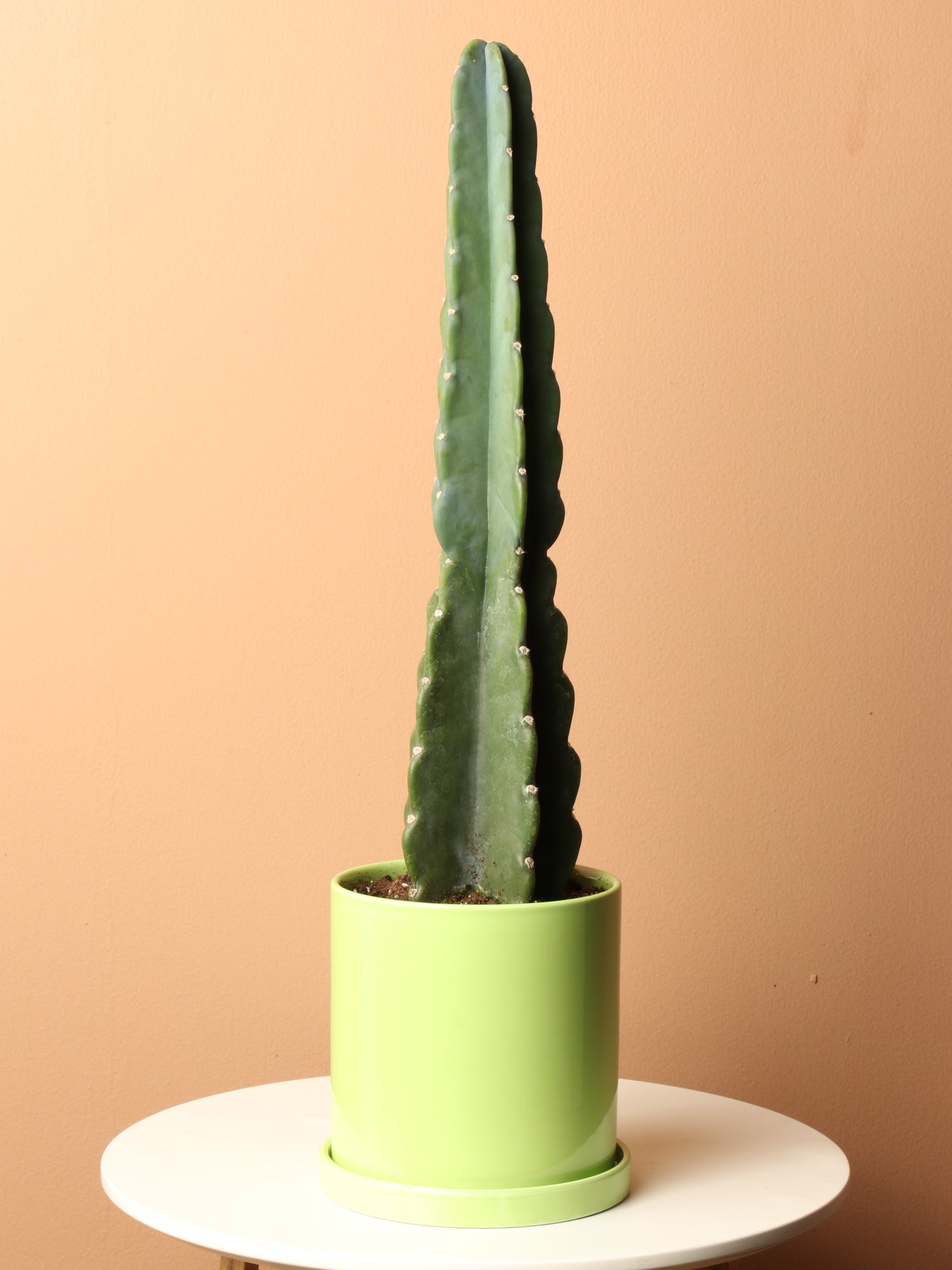
peruvian succulents Medium Peruvian CactusThe Peruvian cactus is tall, striking, and truly special. With its beautiful blue green columnar stems and magical night blooming flowers, this desert beauty has been winning the hearts of plant lovers since it first made its way from South America. This stunning flowering cactus isn't hallucinogenic (a mix up we often hear about!), but it does offer something even better colorful, edible fruits that taste like a delightful blend of kiwi and dragon
The Peruvian cactus is tall, striking, and truly special. With its beautiful blue-green columnar stems and magical night-blooming flowers, this desert beauty has been winning the hearts of plant lovers since it first made its way from South America.
This stunning flowering cactus isn't hallucinogenic (a mix-up we often hear about!), but it does offer something even better - colorful, edible fruits that taste like a delightful blend of kiwi and dragon fruit. The Peruvian cactus is wonderfully forgiving if you sometimes forget to water it, making it perfect for busy plant parents. With a steady Peruvian apple cactus growth rate of 1-2 feet per year, it'll gradually grow into an impressive 8-foot indoor statement piece that brings a touch of desert magic into your home.
Care:
What lighting does a Peruvian cactus need?
Your Peruvian cactus loves sunshine! It needs at least 6 hours of direct sunlight daily to really thrive. Try placing it near a south-facing window where it can soak up plenty of bright light. This flowering cactus really comes into its own when it gets all the sunshine it craves.
What temperature do apple cactus like?
The Peruvian apple cactus is happiest in temperatures between 60°F and 85°F (16°C to 29°C). While it can handle brief cold spells down to about 25°F, try to keep its environment warm and consistent. Your plant will reward you with healthy growth and maybe even those spectacular night blooms that make it so special!
How often do you water a Peruvian cactus?
Only water your Peruvian cactus when the top 2-3 inches of soil feel completely dry if you poke your finger in a few different spots. This is much more reliable than sticking to a calendar schedule.
During spring and summer (its growing season), your plant will be thirstier and need deeper drinks, while in winter, it'll need much less water as it takes a little rest. Like all desert plants, it's adapted to go periods without water, so it's better to underwater than overwater.
Do you need to fertilize a Peruvian apple cactus?
Yes, but just a little! Feed it during spring and summer with a balanced fertilizer (10-10-10 or 20-20-20) diluted to half-strength. In winter, let it rest completely without any fertilizer as your Peruvian apple cactus takes its natural break. Working with its natural rhythm helps keep your plant happy and healthy.
How big do Peruvian Apple Cactus get?
Outdoors, these impressive plants can grow to an amazing 20-30 feet tall! Indoors, they're a bit more modest, typically reaching up to 8 feet. Either way, your Peruvian cactus makes a wonderful statement piece that adds height and character to any space. If you're looking for a plant with presence, you've found it!
How long do Peruvian Apple Cactus live?
With good care, your Peruvian apple cactus can be your plant companion for 20-30 years on average. Some special ones have even reached 50-80 years! This makes them a wonderful long-term addition to your home, growing alongside you through the years with relatively little fuss.
How do I get my Peruvian Apple Cactus to bloom?
To coax those magical night-blooming flowers, give your plant plenty of direct sunlight, keep temperatures warm, and fertilize gently during growing season. Be patient though—your cactus needs time to mature (often several years) and needs to experience a cool, dry winter period to trigger flowering. Trust us, the wait is so worth it! The fragrant white flowers open at night and usually last just until morning—it's a rare and truly special experience.
Does Peruvian Apple Cactus have thorns?
Yes, it does have spines along its ribbed stems. These natural defenses protect the plant in the wild (and remind us to be careful when handling at home). It's best to place your Peruvian cactus where you won't accidentally bump into it, especially in homes with little ones running around.
Pet friendly?
The Peruvian Cactus isn’t toxic to your pets, but the spines can be a serious hazard if your furry friends get too close. Best to place it somewhere they can’t reach.
Is the Peruvian cactus safe for dogs?
The Peruvian apple cactus isn't toxic to dogs, but those spines can be an issue. It's best to keep curious pups at a safe distance to avoid any ouchy encounters. Think about placing your plant on a higher shelf or in a room where your four-legged friend doesn't usually roam.
Is the Peruvian cactus poisonous to cats?
Good news for cat lovers! The Peruvian apple cactus isn't poisonous to your feline friends. But just like with dogs, those spines can hurt curious cats who might paw or nibble at them. Try to place your plant somewhere your kitty can't reach to keep both your plant and pet happy and safe.
Factoids
What makes the night-blooming cactus special?
The night-blooming Peruvian cactus puts on one of nature's most magical shows. Its large, sweet-smelling white flowers open after sunset, attracting moths and bats as pollinators in the wild. Each bloom typically lasts just one night, making each flowering a rare treat worth staying up for. It's like nature's way of rewarding night owls!
How can you encourage the Peruvian cactus to bloom?
To help your Peruvian cactus bloom, give it consistent care with plenty of sunlight and proper watering. The most important thing is to let it have a cool, dry rest period during winter. Mature plants (usually several years old) are more likely to flower, so patience really pays off with this flowering cactus. Creating the right conditions helps your plant feel safe enough to share its gorgeous blooms with you.
How long does the night-blooming cactus flower last?
These spectacular flowers are nature's shooting stars—typically blooming for just one night! They open after sunset and close by the next morning, giving us just a brief window to enjoy their beauty. If you miss seeing one bloom, don't worry—there will be more chances as your plant matures. You might want to set a phone reminder when you notice a bud forming so you don't miss the show!
What's the difference between a Peruvian cactus and a night-blooming cereus?
While both create gorgeous night-blooming flowers, the Peruvian apple cactus (Cereus repandus) grows tall and column-like, thriving in desert conditions. The night-blooming cereus (Epiphyllum oxypetalum) has flat, leaf-like stems that can trail or climb, and prefers more tropical environments. Think of them as cousins who both love the nightlife but have adapted to very different homes!
Can you eat the Peruvian apple cactus fruit or is it poisonous?
The fruit is completely safe and actually delicious! These colorful "apples" are not only edible but packed with antioxidants, vitamins, and fiber. It's a sweet, unexpected bonus from your beautiful houseplant that you can enjoy with complete peace of mind.
Can you eat cactus fruit raw?
Absolutely! The fruit is best enjoyed raw, much like you'd eat kiwi or dragon fruit. Just slice it open and scoop out the refreshing flesh—no cooking needed for this natural treat. It's like getting a little thank-you gift from your plant!
Does Peruvian Apple Cactus taste good?
The Peruvian apple cactus has a lovely mild sweetness and refreshing flavor that most people really enjoy. If you like dragon fruit or kiwi, you'll probably love this desert treat too. It's nature's way of giving us a taste of its native habitat!
What flavor is Peruvian Apple Cactus?
People often describe the flavor as a wonderful mix of kiwi and dragon fruit—mildly sweet with refreshing, subtle notes. The Peruvian apple cactus fruit offers a unique taste that connects you directly to the plant's South American heritage.
What are the benefits of Peruvian Apple Cactus fruit?
Beyond tasting great, the fruit is full of antioxidants, vitamins, and dietary fiber. It's a nutritious snack that satisfies your sweet tooth while actually being good for you! We love plants that multitask by being both beautiful and nourishing.
Is Peruvian Apple Cactus hallucinogenic?
No, the Peruvian apple cactus is definitely NOT hallucinogenic. People sometimes mix it up with the San Pedro cactus (Echinopsis pachanoi), which does contain psychoactive compounds. Your Peruvian apple cactus is prized for its beauty and fruit, not for any mind-altering effects!
What is the Peruvian apple cactus growth rate?
Your Peruvian apple cactus grows at a steady pace, typically adding 1-2 feet each year when conditions are right. This gradual growth means you can enjoy watching it develop over time, becoming more impressive with each passing season. There's something really special about nurturing a plant and seeing it mature year after year.
Where does the Peruvian apple cactus come from?
Just as its name suggests, the Peruvian apple cactus is native to the dry regions of South America, particularly Peru, Brazil, and Argentina. These plants evolved in challenging desert conditions, which explains why they're so resilient and drought-tolerant in our homes. Their ability to thrive in tough environments makes them wonderfully adaptable houseplants for us!
Buy a Peruvian cactus
Ready to welcome this towering beauty into your home? Our Peruvian apple cactus makes a stunning statement piece that will transform your space with desert elegance, potentially reward you with spectacular night blooms, and even provide delicious fruits. It's perfect for plant lovers looking for a flowering cactus with character and presence. Add this night-blooming treasure to your collection today, and we'll be here to help you care for it every step of the way!
Shipping Notes
- Free Standard Shipping on $100+ Orders to the USA.
- Except Preorder products are shipped in 48 hours.
- Delivery to the USA:
- Standard Shipping : 3-10 business days
- If time is of the essence, please consider selecting expedited delivery for faster service.
Exchange/Return Notes
- We offer a 30-day return/exchange service after receiving.
- Final sale items are not eligible for returns or exchanges.
- To process your return/exchange, please contact us at [email protected]
- Please click here for more details>>> Return & Exchange Policy