Pay in installments of $6.98 with
 ,
,
 and
and

Shipping Estimate
USA
- USA
- CAN
- USA
- CAN
Ships within 48 hours · Estimated delivery Sep 30 - Oct 5
 Promo Codes Available:
For Your Every Summer RSVP, with Code: SUMMER15
Description
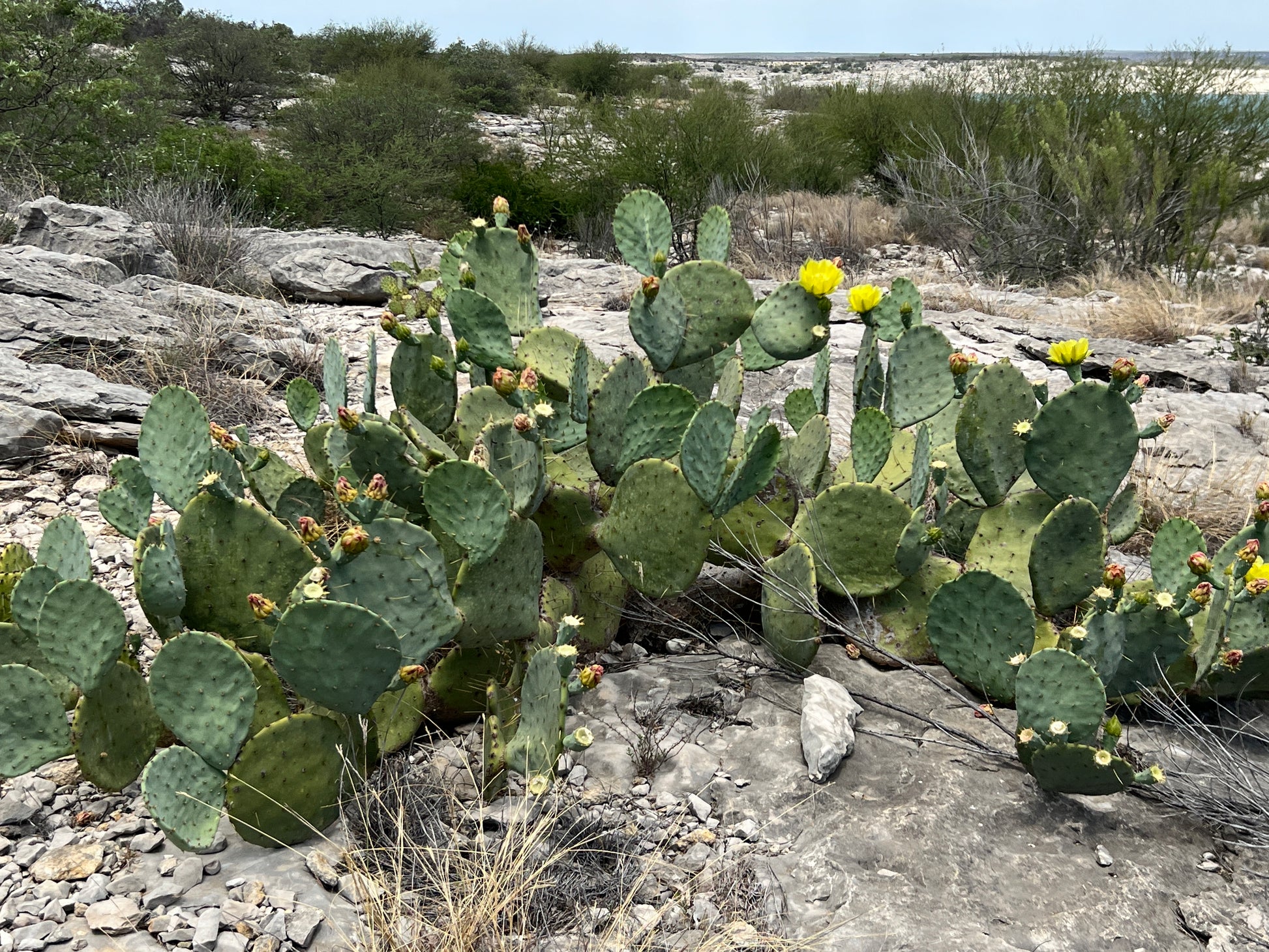
texas prickly pear cactus Texas Prickly Pear 25 Seeds Opuntia engelmannii – R&B FloridaseedsOpuntia engelmannii, commonly known as Engelmann's prickly pear, is a species of cactus native to the southwestern United States and northern Mexico. Here is a detailed description of this plant: General Description Growth Habit: Opuntia engelmannii typically grows as a sprawling, bushy cactus. It can form dense, shrubby clumps. Size: The cactus can reach heights of 3 to 5 feet (1 to 1. 5 meters) and can spread up to 10 feet (3 meters) wide. Pads
Opuntia engelmannii, commonly known as Engelmann's prickly pear, is a species of cactus native to the southwestern United States and northern Mexico. Here is a detailed description of this plant:
General Description
Growth Habit: Opuntia engelmannii typically grows as a sprawling, bushy cactus. It can form dense, shrubby clumps.
Size: The cactus can reach heights of 3 to 5 feet (1 to 1.5 meters) and can spread up to 10 feet (3 meters) wide.
Pads (Cladodes)
Shape: The pads are flattened and oval to oblong in shape.
Size: Each pad can be up to 12 inches (30 cm) long and 7 inches (18 cm) wide.
Color: The pads are blue-green to gray-green and are covered with fine hairs and numerous areoles (small bumps where spines and glochids emerge).
Spines and Glochids
Spines: The spines are long, sharp, and can vary in color from white to yellowish to reddish-brown. Each areole may have one to several spines that can be up to 3 inches (7.5 cm) long.
Glochids: In addition to spines, the areoles contain numerous tiny, barbed glochids that can easily detach and stick to skin.
Flowers
Color: The flowers are bright yellow, sometimes with reddish centers.
Size: Each flower is about 3 to 4 inches (7.5 to 10 cm) in diameter.
Blooming Season: Flowers typically bloom in late spring to early summer.
Fruits
Appearance: The fruit is a fleshy, pear-shaped berry known as a "tuna." It turns from green to reddish-purple as it matures.
Size: The fruit is about 2 to 3 inches (5 to 7.5 cm) long.
Edibility: The fruit is edible and sweet, often used in jellies, candies, and beverages.
Habitat and Distribution
Native Range: Opuntia engelmannii is found in the southwestern United States, including Texas, Arizona, New Mexico, and California, and in northern Mexico.
Preferred Habitat: It thrives in arid and semi-arid environments, such as deserts, grasslands, and scrublands. It prefers well-drained sandy or rocky soils and can often be found on slopes and plains.
Ecological Role
Pollinators: The flowers attract a variety of pollinators, including bees, butterflies, and hummingbirds.
Wildlife: The pads and fruits provide food and moisture for desert animals such as deer, javelinas, rabbits, and various rodents.
Adaptations
Drought Tolerance: Opuntia engelmannii is highly adapted to dry conditions. Its thick, waxy pads help conserve water, and its deep root system allows it to access moisture from deeper soil layers.
Protection: The spines and glochids deter herbivores from feeding on the cactus.
Uses
Culinary: The fruits (tunas) are harvested for their sweet flesh and are used in various culinary applications. The pads (nopales) can also be eaten when young and tender, typically cooked as a vegetable.
Ornamental: Due to its striking appearance and flowers, it is often used in xeriscaping and desert landscaping.
Growing Instructions for the Texas Prickly Pear
1. The seeds like sandy, well-drained soil. Fill a pot with moist cactus mix or used a mixture of sand and peat moss, perlite or vermiculite. Use a pot that has drainage holes in the bottom. 2. Sow the seeds on the surface of the soil. 3. Cover the seeds with a thin layer of soil. 3. Water the soil with a mister or by placing the pot in a saucer of water. The soil will absorb the water. 4. Place the pots in an area with warm temperatures in indirect sun or part shade. The seeds germinate in a few days. Do not overwater the plants. 5. When the seedlings are a few inches tall, they can be transplanted.
Shipping Notes
- Free Standard Shipping on $100+ Orders to the USA.
- Except Preorder products are shipped in 48 hours.
- Delivery to the USA:
- Standard Shipping : 3-10 business days
- If time is of the essence, please consider selecting expedited delivery for faster service.
Exchange/Return Notes
- We offer a 30-day return/exchange service after receiving.
- Final sale items are not eligible for returns or exchanges.
- To process your return/exchange, please contact us at [email protected]
- Please click here for more details>>> Return & Exchange Policy