Pay in installments of $6.46 with
 ,
,
 and
and

Shipping Estimate
USA
- USA
- CAN
- USA
- CAN
Ships within 48 hours · Estimated delivery Oct 1 - Oct 6
 Promo Codes Available:
For Your Every Summer RSVP, with Code: SUMMER15
Description
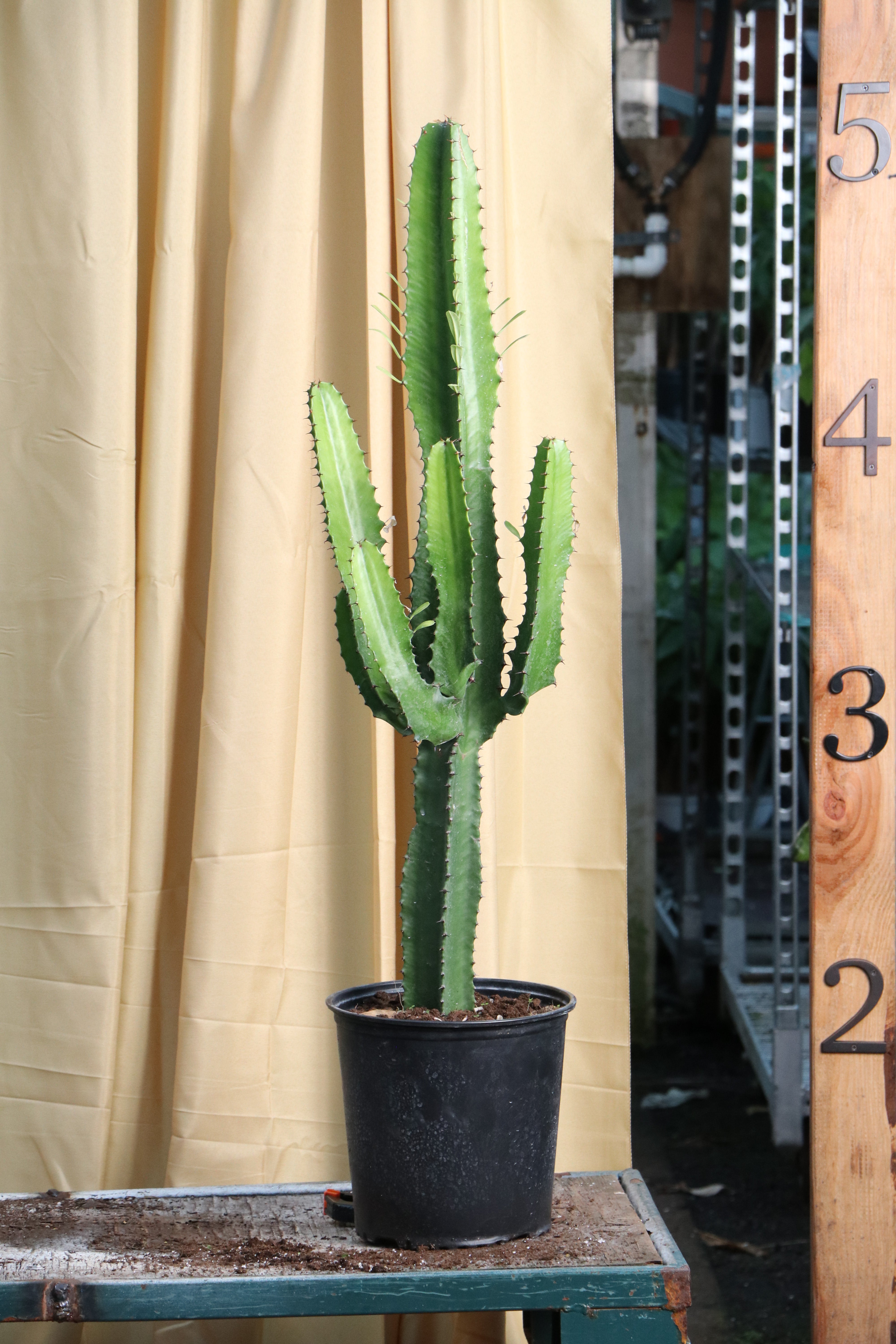
indoor african milk plant Buy African Milk Tree (Cactus) Online | SucculentThe African Milk Tree stands tall and proud, a triangular stemmed marvel that commands attention. Native to Central Africa, this succulent features small leaves and protective spines that give it a distinctive silhouette unlike anything else in your collection. Most people mistake him for a cactus with leaves at first glance, but this Euphorbia has his own unique personality. He grows quickly enough to reward your patience without demanding much in
The African Milk Tree stands tall and proud, a triangular-stemmed marvel that commands attention. Native to Central Africa, this succulent features small leaves and protective spines that give it a distinctive silhouette unlike anything else in your collection.
Most people mistake him for a cactus with leaves at first glance, but this Euphorbia has his own unique personality. He grows quickly enough to reward your patience without demanding much in return. Plant parents love him for his forgiving nature and dramatic presence - turning empty corners into focal points and blank walls into living art. Just keep him away from curious pets and children, as his milky sap packs a toxic punch behind that elegant exterior. With proper care, this striking succulent could be making statements in your home for decades to come!
Care
How easy is it to take care of an African Milk Tree cactus?
The African Milk Tree is very easy to care for. He handles drought well, resists most pests, and thrives with minimal attention - perfect for beginners and busy plant parents. Just don't overwater – that's the one unforgivable sin in this relationship.
What lighting does an African Milk Tree need?
He prefers bright, indirect sunlight, so a south or west-facing window is perfect indoors. Outside, he likes partial sun but needs protection from harsh midday rays. Yes to a little morning sunshine, but those afternoon rays can be too much.
How often do you water an African Milk Tree?
Water sparingly and let the soil dry completely between waterings. During spring and summer, water when the top inch of soil feels dry. In winter, cut back significantly. When in doubt, remember: this plant would rather be thirsty than soggy.
Do you need to fertilize an African Milk Plant?
He's a light eater who knows when to feast and fast. Fertilize once a month during growing season with diluted liquid fertilizer or cactus food. Skip completely during fall/winter months, he’s resting and not accepting food deliveries until Spring.
Do African Milk Trees like humidity?
They prefer dry to average humidity and thrive in normal indoor air. No misting needed, and they don't require extra humidity to grow well, unlike many tropical houseplants.
Unlike fussy ferns and tropical divas, this desert king actually likes the dry conditions of your home. He's doing you a favor by thriving in that arid corner apartment where other plants struggle. No humidifier needed – he likes it simple.
Pet-friendly?
Sadly no - the African Milk Tree is toxic to pets across the board. Keep this striking succulent well out of reach of furry, feathered, or scaled friends unless you enjoy unexpected vet visits.
Is the African Milk Tree toxic to dogs?
Yes, the African Milk Tree can cause mouth irritation, vomiting, diarrhea, and drooling in dogs. The sap can also irritate their skin. No matter how much Fido begs with those puppy eyes, the answer is still "no plant snacking allowed."
Is the African Milk Tree poisonous to cats?
Eating any part of the African Milk Tree can cause irritation, vomiting, diarrhea, and drooling in cats. The sap can also cause a painful skin rash. Best kept in rooms where your feline acrobat rarely performs their jumping routines.
Factoids
What is the African Milk Tree's scientific name?
The tree’s scientific name is Euphorbia trigona. And yes, you can use this name at your next plant swap to make it sound like you really know your stuff. Just practice saying it a few times first!
Is the African Milk Tree a cactus?
Contrary to popular misunderstanding, the African Milk Tree is a succulent, not a true cactus. To be fair, he does look like one. He’s the plant world's greatest impersonator – dressing like a cactus but actually belonging to the spurge family.
Is the African Milk Cactus poisonous?
Yes, he's toxic to both humans and animals. The milky white sap causes skin reactions, and worse if eaten. It’s his built-in defense system - nature's way of saying "look but don't touch". So always wear gloves when handling - he’s sensitive.
Is an African Milk Tree a type of succulent?
Yes, and like all good succulents, he stores water in his stems and survives drought conditions that would kill other plants. He’s mastered the art of water storage – always prepared, never caught off guard by a dry spell.
How fast does the African Milk Tree grow?
Unlike that herb garden that never quite took off, this plant actually delivers on its growth promises. Give him the right spot, and he'll reach new heights faster than your friend's teenager who somehow grew six inches over summer break.
How tall does the African Milk Tree grow?
Indoors, he can reach 6 feet tall. Outdoors in suitable climates, he might grow to 13 feet or even taller, given enough time and space. He’s not a plant with small dreams. Better check those ceiling heights before you commit!
Why is it called African Milk Tree?
Sometimes plant names really are wonderfully straightforward – the African Milk Tree is from Africa, makes milky sap, and grows tall like a tree. Wouldn’t it be easier if everything in life were labeled so clearly and honestly!
How long does the African Milk plant live?
Some specimens survive 60 years or more with proper care. This isn't a short-term plant relationship – it's a lifetime commitment. Outlasting trends, relationships, and possibly even your mortgage. He might even live long enough to become a family heirloom.
What is the friendship cactus?
The "Friendship cactus" is a nickname for Euphorbia trigona because people often share cuttings with friends. One plant can become many, spreading the green joy quickly through your social circle – just remember to wear those gloves when cutting!
Can you touch an African Milk Tree?
This isn't the plant to stroke while deep in thought. Save those tender moments for your non-toxic plants and keep a respectful distance – or at least wear gloves. Touching isn't recommended since the sap irritates skin. Safety first!
Does the African Milk Tree flower indoors?
Most indoor African Milk Trees will live their entire lives without producing a single bloom, focusing instead on growing taller and bushier. But don’t be sad. If he does decide to bloom, consider it a special occasion worth documenting!
Is the African Milk Tree an indoor plant?
This striking plant is grown as a houseplant around the world. He's happy to be a houseplant, bringing a touch of desert drama to your living space year-round. If your climate is warm, he’ll live outdoors, and might even flower!
Are Euphorbia a type of cactus?
Euphorbias are their own plant family, not cacti. Both developed similar traits like spines and water storage because they evolved in similar dry environments. Nature's way of saying, "This works," even if the family trees branch in completely different directions.
Buy an African Milk Tree
Are you ready for a plant that makes people say "wow" without demanding your constant attention? Then our African Milk Tree brings instant drama to your space, growing ever more impressive while you do absolutely nothing heroic.
This low-maintenance diva stands tall while other plants wilt dramatically at the first sign of neglect. Perfect for busy plant parents, forgetful waterers, and anyone who wants to look like a plant expert without putting in the expert-level effort. Add this striking Euphorbia to your collection today - your future self (and your future plant's many admirers) will thank you!
Shipping Notes
- Free Standard Shipping on $100+ Orders to the USA.
- Except Preorder products are shipped in 48 hours.
- Delivery to the USA:
- Standard Shipping : 3-10 business days
- If time is of the essence, please consider selecting expedited delivery for faster service.
Exchange/Return Notes
- We offer a 30-day return/exchange service after receiving.
- Final sale items are not eligible for returns or exchanges.
- To process your return/exchange, please contact us at [email protected]
- Please click here for more details>>> Return & Exchange Policy