Pay in installments of $5.68 with
 ,
,
 and
and

Shipping Estimate
USA
- USA
- CAN
- USA
- CAN
Ships within 48 hours · Estimated delivery Jul 24 - Jul 29
 Promo Codes Available:
For Your Every Summer RSVP, with Code: SUMMER15
Description
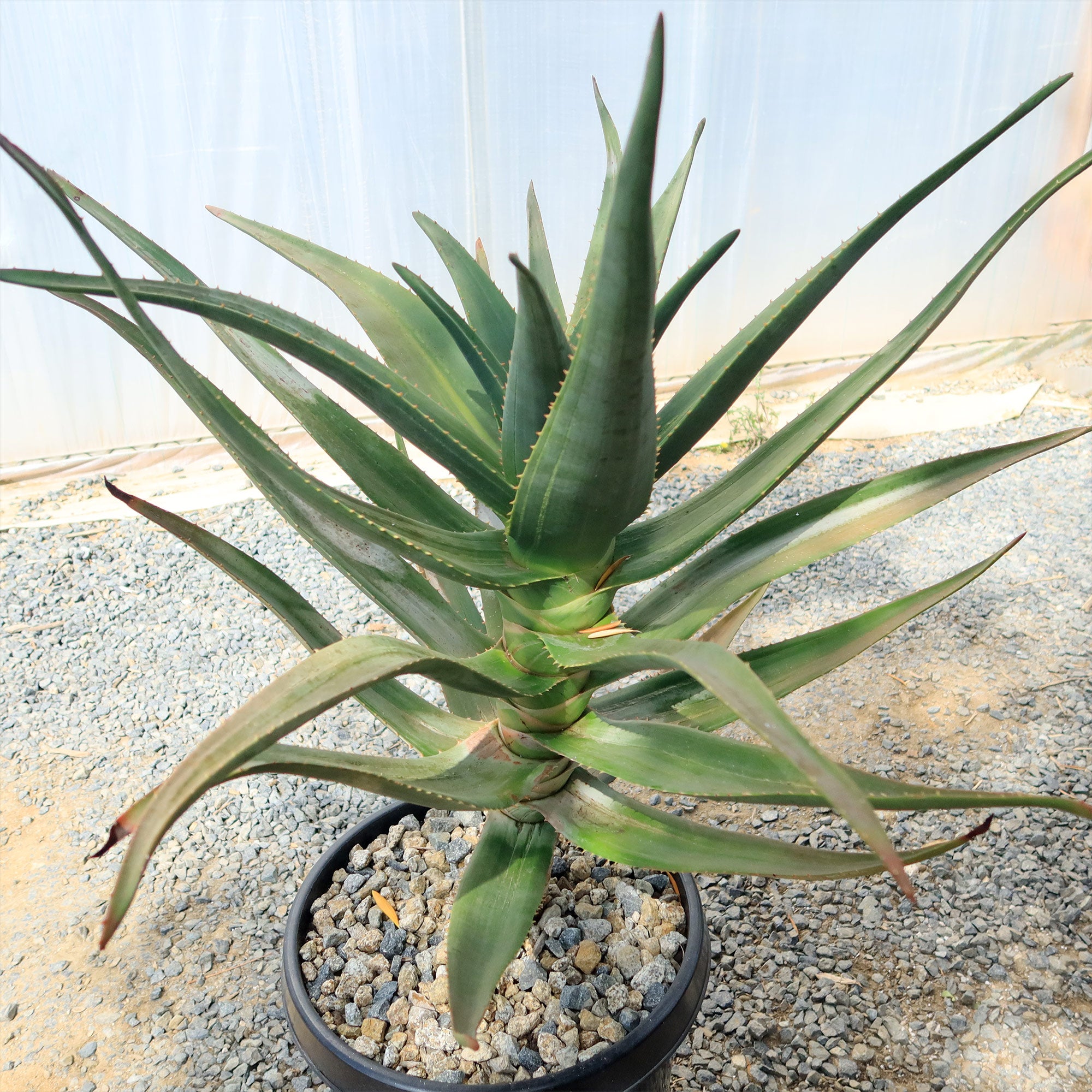
where to buy aloe vera plants online Aloe Hercules 15 GalI ntroducing the Aloe Hercules, also known as the Hercules Aloe or the Spotted Aloe, which is a stunning succulent plant that belongs to the Aloe , opens in a new tab genus. It is a popular hybrid aloe with smaller Quiver Tree Aloe dichotoma, opens in a new tab and large Tree Aloe Aloidendron barberae. Native to South Africa, the Aloe Hercules has a straight trunk crowned with thick branches. Hercules, a legendary Greek hero, was renowned for his
I ntroducing the Aloe Hercules, also known as the Hercules Aloe or the Spotted Aloe, which is a stunning succulent plant that belongs to the Aloe , opens in a new tab genus. It is a popular hybrid aloe with smaller Quiver Tree Aloe dichotoma, opens in a new tab and large Tree Aloe Aloidendron barberae.
Native to South Africa, the Aloe Hercules has a straight trunk crowned with thick branches. Hercules, a legendary Greek hero, was renowned for his strength and bravery, and the name "Aloe Hercules" embodies his potency and strength, symbolizing his heroic legacy.
Unlike many other aloes, which tend to be smaller in stature, the Hercules Aloe can grow to be quite large. This Hercules aloe tree can grow up to 40 feet tall and 20 feet wide in the wild.
The Aloe Hercules has thick, fleshy, broad, and triangular, blue-green leaves. These leaves are arranged in a rosette formation, growing in a spiral pattern from the center of your Hercules aloe. When it reaches maturity, the lower aloe leaves fall off, revealing a tree trunk at the base and a long, green, succulent leaf crown at the top.
The tubular flowers of Aloe Hercules appear in shades of orange or red with tall flower spikes during the spring and fall. These vibrant blooms attract pollinators such as bees and butterflies, adding a splash of color to the surrounding environment.
While Aloe Hercules is a beautiful plant to admire, it's important to note that Aloe Hercules can be mildly toxic to humans and pets if consumed. The gel-like sap found in the leaves can cause skin irritation or allergic reactions in some individuals. It is advised to handle your Hercules Aloe with care and keep it out of the reach of children and pets.
Additionally, you can propagate the Aloe Hercules through leaf cuttings or offsets. Select a healthy leaf, let it callus over for a few days, and then place it in a well-draining soil mix. Keep the soil lightly moist until the new plantlets emerge.
Watering Needs
Like other succulents, the Aloe Hercules stores water in its thick, fleshy leaves. As a result, it is more tolerant of drought conditions than being overwatered. Overwatering can lead to root rot and other issues.
To ensure the health and well-being of your Aloe Hercules, it's best to follow a "soak and dry" watering method. This means that when you water your Hercules aloe, you should thoroughly saturate the soil, allowing the excess water to drain out from the bottom of the pot. However, it's crucial to let the soil dry out completely between watering sessions.
During the Spring and summer, in the growing season, the Aloe Hercules typically requires watering every 2-3 weeks. However, it's essential to adjust the watering schedule based on the environmental conditions and the moisture level of the soil. During the fall and winter, the Hercules aloe water needs decrease, so you can reduce the frequency of watering to once a month or even less.
Remember, it's always better to underwater than overwater your Aloe Hercules. Keep an eye on the leaves - if they start to appear shriveled or wrinkled, it's a sign that your succulent plant needs water. Meanwhile, if the leaves become mushy or discolored, it may indicate overwatering.
Light Requirements
When it comes to growing the Aloe Hercules indoors, it thrives in bright, indirect light. Place it near a window where it can receive ample sunlight throughout the day. However, be careful not to expose it to direct, intense sunlight for extended periods, as it can scorch the leaves. If you notice the leaves turning brown or yellow, it may be a sign that your Hercules aloe is receiving too much direct sunlight.
If you're considering growing your Aloe Hercules outdoors, it's important to note that it can tolerate full sun to partial shade. It can handle more direct sunlight compared to indoors. Ideally, place it in a location where it will receive at least six hours of sunlight per day. However, if you live in a region with intense and scorching sunlight, providing some afternoon shade can help protect your aloe plant from excessive heat and sunburn.
Remember, when transitioning your Aloe Hercules from indoors to outdoors or vice versa, it's crucial to acclimate it gradually to the new light conditions. Sudden changes in light exposure can shock Aloe Hercules and cause stress. Start by placing it in a shaded area outdoors or a spot with less direct light indoors, and gradually increase the exposure over a few weeks.
Optimal Soil & Fertilizer Needs
Aloe Hercules prefers sandy, well-drained soil, as excess moisture can promote root and stem rot. Planet Desert specializes in succulents and has specialized succulent potting soil that includes an organic substrate with mycorrhizae to help with the growth of a healthy root system to help your succulents thrive. As an okay alternative, you can create your own potting mix by combining equal portions of perlite, coarse sand, and good natural potting soil.
When it comes to fertilizing, Aloe Hercules is not a heavy feeder, so it doesn't require frequent fertilization. During the growing season, which typically spans from spring, you can fertilize your plant once a year. Choose a balanced, water-soluble NPK fertilizer specifically formulated for succulents. Apply the fertilizer at half-strength to the soil. This gentle feeding will provide the necessary nutrients for your Aloe Hercules to thrive.
However, it's important to note that during the dormant season, which usually occurs in fall and winter, you should refrain from fertilizing your Aloe Hercules. During this time, Hercules aloe naturally slows down its growth, and fertilizing can actually be detrimental. So, give your Aloe Hercules a break during the dormant season and resume fertilization when it starts actively growing again in spring.
Hardiness Zone & More
If you are growing your Aloe Hercules indoors, it thrives in warm conditions. It prefers temperatures between 65°F to 80°F during the day. The Aloe Hercules is adaptable and can tolerate a range of humidity levels. The Hercules Aloe can handle both dry and moderately humid environments. However, it's important to ensure good air circulation around the plant to prevent any issues with fungal diseases.
If you are living in USDA zones 9-11, you can grow your Aloe Hercules outdoors year-round. It can tolerate slightly cooler temperatures at night, but it's best to avoid prolonged exposure to temperatures below 50°F, as it may damage your Hercules aloe. These zones have milder climates with warmer temperatures throughout the year, which are ideal for the growth and survival of this succulent.
The Bottom Line
Overall, the Aloe Hercules is a captivating succulent with its large size, unique spotted leaves, and striking flower spikes. With the right care and attention, it can be a stunning addition to any garden or indoor plant collection. Just remember to handle it with caution and enjoy its beauty from a safe distance. It thrives in warm climates, typically found in hardiness zones 9 to 11. It prefers temperatures between 65°F to 80°F during the day and can tolerate a range of humidity levels. When it comes to propagation, you can either use offsets or leaf cuttings to grow new plants. Just remember to provide well-draining soil and be patient as the new plants establish themselves. With the right care, the Aloe Hercules can be a stunning addition to any succulent collection. Give this succulent a try if you're looking for a low-maintenance Aloe Hercules for sale!
Shipping Notes
- Free Standard Shipping on $100+ Orders to the USA.
- Except Preorder products are shipped in 48 hours.
- Delivery to the USA:
- Standard Shipping : 3-10 business days
- If time is of the essence, please consider selecting expedited delivery for faster service.
Exchange/Return Notes
- We offer a 30-day return/exchange service after receiving.
- Final sale items are not eligible for returns or exchanges.
- To process your return/exchange, please contact us at [email protected]
- Please click here for more details>>> Return & Exchange Policy