Pay in installments of $6.00 with
 ,
,
 and
and

Shipping Estimate
USA
- USA
- CAN
- USA
- CAN
Ships within 48 hours · Estimated delivery Sep 26 - Oct 1
 Promo Codes Available:
For Your Every Summer RSVP, with Code: SUMMER15
Description
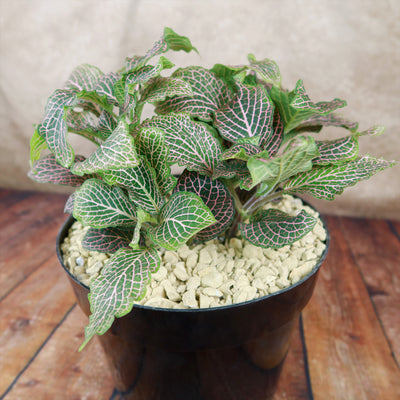
fittonia plant indoor or outdoor Pink Nerve Plant – Fittonia albivenis ‘Pink’ 2 Gal. / Self Watering / Without PotKey Highlights Pink Nerve Plant The Pink Nerve Plant has a creeping, spreading growth pattern, making it an excellent choice for hanging baskets, terrariums, and as ground cover in tropical gardens. Its deep green leaves are adorned with striking pink veins, creating a bold, decorative appearance that makes it highly sought after as an ornamental plant. Due to its compact size, humidity loving nature, and ability to thrive indoors, the Pink Nerve
Key Highlights - Pink Nerve Plant
- The Pink Nerve Plant has a creeping, spreading growth pattern, making it an excellent choice for hanging baskets, terrariums, and as ground cover in tropical gardens.
- Its deep green leaves are adorned with striking pink veins, creating a bold, decorative appearance that makes it highly sought after as an ornamental plant.
- Due to its compact size, humidity-loving nature, and ability to thrive indoors, the Pink Nerve Plant is a favorite among houseplant enthusiasts, especially in terrariums and small indoor gardens.
- Unlike many tropical plants, Fittonia albivenis ‘Pink’ is non-toxic to pets and humans, making it a safe option for households with cats, dogs, or children.
The Pink Nerve Plant, known as Fittonia albivenis ‘Pink’, is a striking popular houseplant cherished for its vibrant, veined, deep-green leaves. Often grown in terrariums, hanging baskets, or as ground cover in tropical gardens.
The Pink Nerve Plant thrives in humid conditions and offers a splash of color to any indoor space. This non-toxic plant has the ability to adapt to indoor conditions and brighten up low-light spaces ensuring its continued popularity in homes, offices, and public spaces.
The term "nerve plant" refers to the striking vein structures that run through its leaves, giving them a net-like appearance.
The pink variety stands out among its relatives due to its softer, pastel-colored venation, which adds a delicate and decorative touch to plant collections.
Native to the rainforests of South America, this evergreen perennial is commonly referred to as the Mosaic Plant or Pink Vein Plant, or Pink Fittonia.
When grown indoors as a houseplant, the Pink Nerve Plant remains compact and typically grows up to 6 inches tall with a trailing spread of 18 inches wide.
Its creeping or trailing growth habit makes it an excellent choice for terrariums, dish gardens, or as a spiller plant in mixed arrangements.
In its natural habitat, however, it spreads across the forest floor, forming lush mats of colorful foliage.
One of the defining features of the Pink Nerve Plant is its soft, oval-shaped leaves adorned with intricate pink veining. It also comes in a variety of colors such as red, green, and white. The plant’s bushy, low-growing nature makes it perfect for creating a dense, colorful display in containers or shaded garden beds.
The Nerve plant’s flowers are typically white or pale yellow and grow on short spikes, in the summer. However, flowering is rare in indoor conditions, as the plant focuses its energy on foliage growth. Most growers pinch off flower spikes to encourage more lush and compact leaf development.
A unique feature of the Pink Nerve Plant is its love for high humidity and its ability to thrive in terrariums or closed plant environments. Unlike many houseplants that struggle in humid conditions, this plant flourishes in moisture-rich air, making it an ideal choice for humidifiers, glass enclosures, or tropical-themed arrangements.
When and How to Water Your Nerve Plant
To water your pink nerve plant, check the soil by inserting your finger about an inch deep—if it feels dry, it's time to water. Remember, it can be drought-tolerant once established. In the spring and summer, during the growing period, the soil should remain evenly moist but not soggy, as excessive water can lead to root rot. Watering 2 times per week is generally sufficient, but in humid indoor environments, Fittonia requires less frequent watering since the moisture in the air helps keep it hydrated. Using filtered or room-temperature water is ideal to prevent stress on the plant.
In fall and winter, during the dormant season, the plant's growth slows, and it requires less frequent watering. Watering once every 1-2 weeks or whenever the top two inches of soil feel dry is recommended. Overwatering during dormancy can lead to root issues, so reducing frequency while maintaining some soil moisture is essential.
Additionally, it exhibits a dramatic response to dehydration—when the soil dries out, the leaves will droop significantly but quickly recover once watered, making it a great indicator plant for moisture levels.
Light Requirements – Where to Place Your Pink Nerve Plant
The nerve plant is mostly grown indoors as a houseplant, as it thrives in bright, indirect light.
Direct sunlight can scorch its delicate leaves, while too little light will cause its vibrant colors to fade.
Ideally, place it near an east- or north-facing window where it receives 4 to 6 hours of indirect light daily.
If natural light is insufficient, supplementing with grow lights can help maintain its vibrant foliage.
Avoid placing it near heating vents or air conditioners, as sudden temperature changes can stress the plant.
Outdoor growing is possible in shaded or semi-shaded locations. Ensure it receives morning sunlight followed by afternoon shade, as prolonged exposure to intense sun can burn its leaves.
In warm climates, Pink Nerve Plants thrive in high-humidity environments with dappled light. If growing outside, placing them under a tree canopy, on a covered patio, or using shade cloth can help regulate light exposure.
Optimal Soil & Fertilizer Needs
The Fittonia Plants prefer well-draining, nutrient-rich soil that retains moisture without becoming soggy. Planting them in ordinary soil will result in compacted roots, stunted growth, and most likely root rot. Planet Desert has specialized potting soil, opens in a new tabGo to soil cactus mix blend 1 gal 4 qt cacti succulent dirt compost growing media that includes an organic substrate with mycorrhizae to help with the growth of a healthy root system to help your succulents thrive.
Fertilization is essential for maintaining the nerve plant’s vibrant foliage. During the growing season in the spring, applying a balanced liquid NPK fertilizer (5-10-5) once a year will promote lush growth. In the dormant season, fertilization stops entirely to prevent excessive growth when the plant is not actively producing new leaves.
Hardiness Zones & More
When growing indoors as a houseplant, your Nerve plant thrives in temperatures between 65-80°F, with humidity levels of 50% or higher. If the air is too dry, using a humidifier, pebble tray, or misting can help keep the foliage healthy. Sudden temperature fluctuations or exposure to drafts from air conditioners and heaters can cause leaf drop or stress.
In the United States, this is mostly an indoor plant, but if you live in southern Florida or Hawaii then you can cultivate it outdoors in USDA zones 10-11, where temperatures stay warm year-round.
In high-humidity environments, Pink Nerve Plants flourish under filtered light.
If exposed to extreme heat, the leaves may become slightly paler, while cooler temperatures might slow growth significantly.
For those outside these zones, it’s best to grow them as indoor plants or bring them inside when temperatures drop below 50°F.
Wildlife – Pink Nerve Plant Flowers Attract the Following Friendly Pollinators
The Pink Fittonia Nerve Plant attracts pollinators, such as bees, butterflies, hummingbirds, a few insects, or certain flies. The plant's small, white, or pale flowers are arranged in clusters that are visually appealing to pollinators. However, since it is mainly grown for its foliage, flowering is rare, especially indoors.
According to the ASPCA, the Pink Nerve Plant is non-toxic to humans, cats, dogs, and birds. This makes it a safe choice for pet owners looking for a vibrant, low-risk houseplant.
How to Propagate Nerve Plant Fittonia
To propagate nerve plant Fittonia, start by taking stem cuttings that are at least 2-3 inches long. Remove any leaves from the bottom of the cutting and place them in a small pot with well-draining soil. Keep the soil consistently moist and place the cutting in a warm, humid environment to encourage root growth. After a few weeks, roots should begin to form, and you can transplant the cutting into a larger pot to continue growing.
The Bottom Line
Overall, the Pink Nerve Plant is a stunning, low-maintenance houseplant that thrives in humid, warm environments with bright, indirect light. Its striking pink veins and lush green leaves add a vibrant touch to any indoor space. With proper watering, well-draining soil, and occasional feeding, it remains a resilient and eye-catching addition to any plant collection. Whether grown indoors or in suitable outdoor conditions, it provides an effortless way to bring color and life to your space. Plus, its pet-friendly nature makes it a perfect choice for households with furry companions!
Shipping Notes
- Free Standard Shipping on $100+ Orders to the USA.
- Except Preorder products are shipped in 48 hours.
- Delivery to the USA:
- Standard Shipping : 3-10 business days
- If time is of the essence, please consider selecting expedited delivery for faster service.
Exchange/Return Notes
- We offer a 30-day return/exchange service after receiving.
- Final sale items are not eligible for returns or exchanges.
- To process your return/exchange, please contact us at [email protected]
- Please click here for more details>>> Return & Exchange Policy