Pay in installments of $5.38 with
 ,
,
 and
and

Shipping Estimate
USA
- USA
- CAN
- USA
- CAN
Ships within 48 hours · Estimated delivery Aug 29 - Sep 3
 Promo Codes Available:
For Your Every Summer RSVP, with Code: SUMMER15
Description
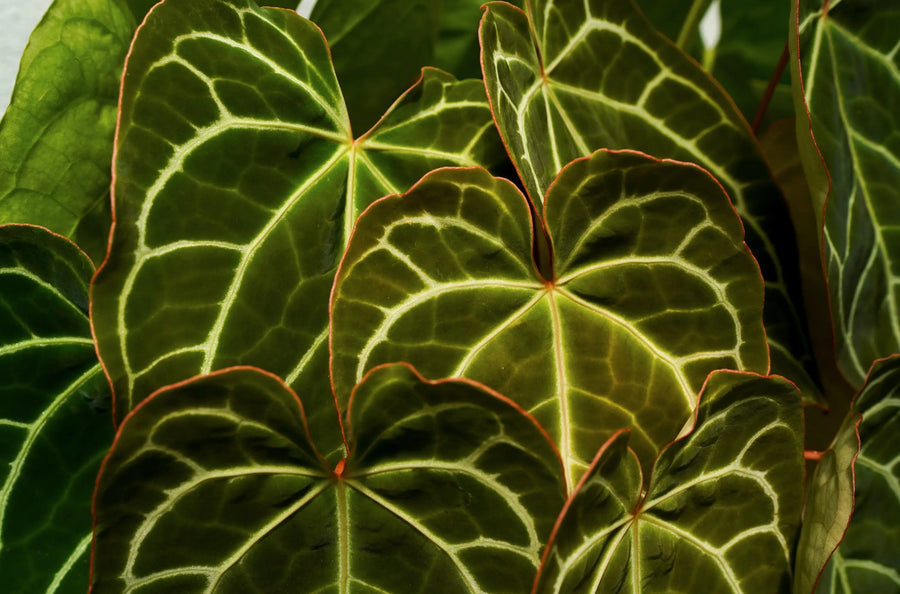
anthurium digitatum flower Anthurium digitatum – Digitately Divided LeavesAnthurium digitatum Anthurium digitatum is a finger leaved Anthurium with palmately divided foliage. Each blade separates into radiating segments, giving the plant an open, hand shaped leaf form. Its divided blades are the defining feature of the species, while its epiphytic roots need bright filtered light, an airy root environment, steady moisture and enough humidity for new growth to expand cleanly. Fingered foliage on Anthurium digitatum Palmate
Anthurium digitatum
Anthurium digitatum is a finger-leaved Anthurium with palmately divided foliage. Each blade separates into radiating segments, giving the plant an open, hand-shaped leaf form.
Its divided blades are the defining feature of the species, while its epiphytic roots need bright filtered light, an airy root environment, steady moisture and enough humidity for new growth to expand cleanly.
Fingered foliage on Anthurium digitatum
- Palmate leaves: Leaf segments radiate from a shared point, forming a fingered blade.
- Open blade shape: The divided foliage creates spaces between the leaf sections.
- Epiphytic habit: The species grows epiphytically, so roots need air as well as moisture.
- Wet-tropical origin: It is native to Tobago and Venezuela in wet tropical conditions.
- Fine leaf edges: The lobes can mark or crisp when humidity, watering or handling are poor.
- Radiating leaf form: The segments are held from a shared point on firm petioles.
Epiphytic growth and natural setting
Anthurium digitatum comes from wet tropical habitats in Tobago and Venezuela and grows epiphytically. In a pot, that points to coarse substrate, reliable drainage and regular moisture, because dense water-retentive soil reduces oxygen around the roots.
The leaf segments also need physical space. Crowded shelves, tight sleeves or repeated contact with neighbouring pots can bend or tear the narrow sections before the leaf has hardened.
Indoor care for Anthurium digitatum
- Light: Bright filtered light keeps the petioles from stretching excessively and protects the leaf sections from direct sun scorch.
- Water: Water thoroughly, then allow the upper part of the mix to lose some moisture before watering again.
- Substrate: Use a chunky epiphyte-style Anthurium mix with bark, coarse fibre and mineral particles for drainage and air flow.
- Humidity: Moderate to high humidity reduces crispy lobe tips and helps the divided blades open evenly.
- Temperature: Keep the plant warm and away from cold windowsills, especially after watering.
- Placement: Leave space around the leaves so the fingered sections are not constantly bent or pressed.
- Feeding: Apply a mild fertiliser during active growth; flush the mix occasionally if mineral salts build up.
Leaf and root issues
- Crispy lobe tips: Dry air, irregular watering or fertiliser salts can brown the ends of the divided segments.
- Torn leaf sections: The open blade shape can tear from handling, tight packing or repeated contact with other plants.
- Weak petioles: Low light can lead to longer, softer petioles that lean toward the light source.
- Root stress: Compact potting soil can stay wet too long and reduce oxygen around epiphytic roots.
- Distorted new leaves: Check humidity, root health and pests if a new divided leaf opens unevenly.
Safety for Anthurium digitatum
Anthurium digitatum is not pet-safe. Chewing the plant can release irritating calcium oxalate crystals, causing discomfort in the mouth and throat as well as possible digestive irritation.
Botanical background
The accepted name is Anthurium digitatum (Jacq.) Schott. The species was first described as Pothos digitatus by Jacquin before Schott placed it in Anthurium. The epithet refers to a digitate or fingered form, which matches the plant’s divided leaves directly.
Shipping Notes
- Free Standard Shipping on $100+ Orders to the USA.
- Except Preorder products are shipped in 48 hours.
- Delivery to the USA:
- Standard Shipping : 3-10 business days
- If time is of the essence, please consider selecting expedited delivery for faster service.
Exchange/Return Notes
- We offer a 30-day return/exchange service after receiving.
- Final sale items are not eligible for returns or exchanges.
- To process your return/exchange, please contact us at [email protected]
- Please click here for more details>>> Return & Exchange Policy