Pay in installments of $5.04 with
 ,
,
 and
and

Shipping Estimate
USA
- USA
- CAN
- USA
- CAN
Ships within 48 hours · Estimated delivery Sep 30 - Oct 5
 Promo Codes Available:
For Your Every Summer RSVP, with Code: SUMMER15
Description
is a water lily a lotus flower Blue Lotus of the Nile|Cerulea Lotus |Sacred Flower Lotus Tubers For Sale – Pond MegastoreCerulea (Blue Lotus of the Nile) annual water lily Also known as Egyptian Blue Lotus, Sacred Blue Lily of the Nile A Plant with History and Beauty For millennia, the Cerulea Water lily has captured imaginationsenjoyed in ancient Egyptian temples, the Pharos to the people of Egypt, and todays backyard ponds. Its light blue, star shaped flowers rise gracefully above the water, set against glossy green pads. Unlike true lotuses, the Cerulea is a tropical
Cerulea (Blue Lotus of the Nile) annual water lily
Also known as Egyptian Blue Lotus, Sacred Blue Lily of the Nile
A Plant with History and Beauty
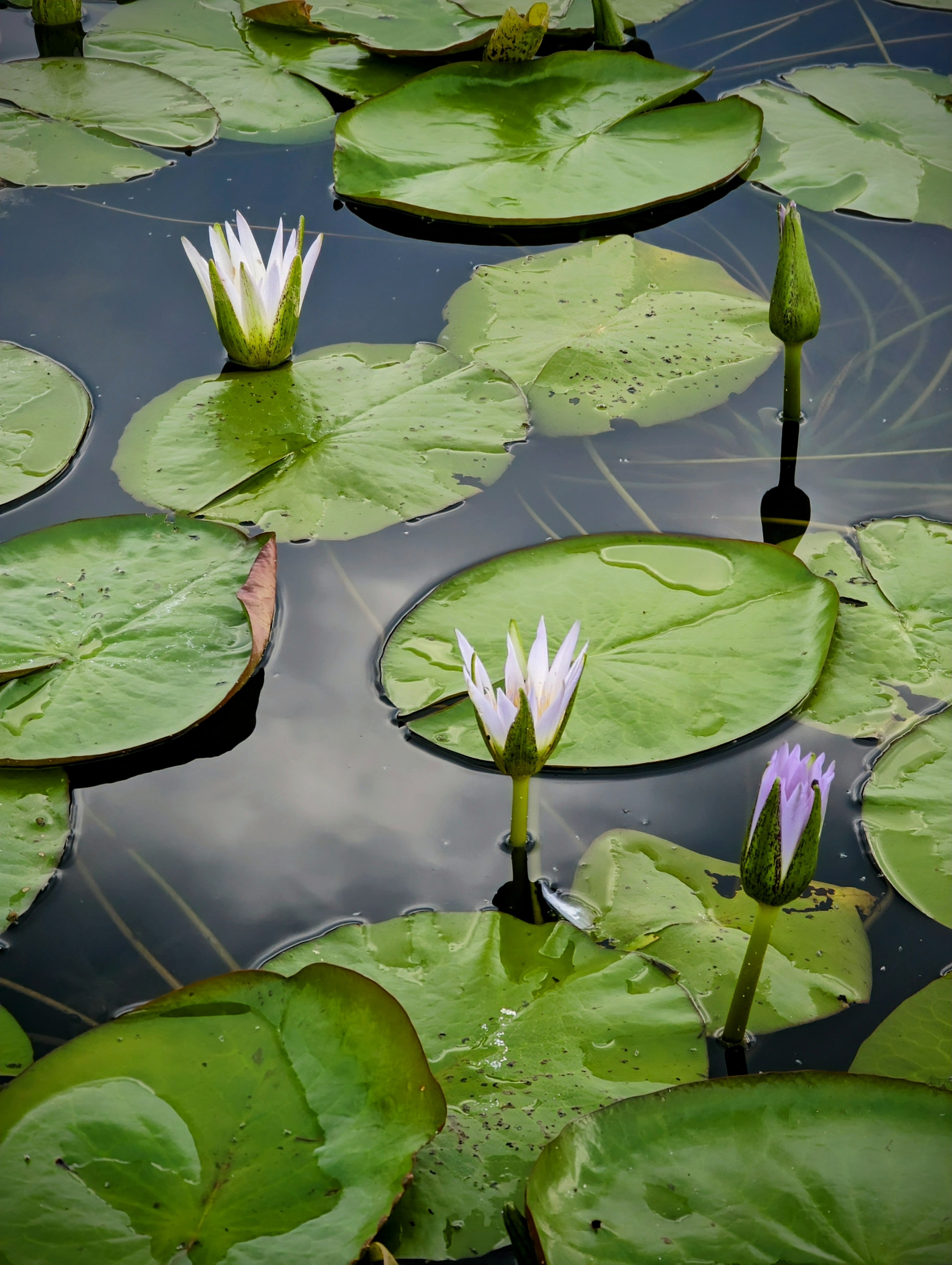
For millennia, the Cerulea Water lily has captured imaginations—enjoyed in ancient Egyptian temples, the Pharos to the people of Egypt, and today’s backyard ponds. Its light-blue, star-shaped flowers rise gracefully above the water, set against glossy green pads. Unlike true lotuses, the Cerulea is a tropical waterlily—ideal for adding exotic color and elegance to your pond all summer long. Cerulea flowers have a unique element from other water lilies; it is
This is more than just a pretty flower. The Cerulea helps shade your pond, reducing string algae and green water naturally, without chemicals. Its surface cover provides shelter for fish and a haven for dragonflies and pollinators. With regular care, it rewards you with blooms almost daily in warm weather.
The Sacred Blue Lotus of the Nile
Imagine drifting down the Nile River thousands of years ago, the hot Egyptian sun shimmering across the water. Along the riverbanks, a flower rises with poise and mystery—its petals gently opening with the day’s first light. This was no ordinary plant to the ancient Egyptians. To them, it was sacred. The water lily symbolized rebirth, vitality, and—most intriguingly—love.
Priests offered it in ceremonies. Artists carved its likeness into temple walls. Pharaohs adorned themselves with its fragrance at banquets. But behind the beauty and symbolism, there was another secret: the plant was believed to stir desire, to awaken passion, and to heighten vitality. In fact, the water lily’s reputation as an aphrodisiac was so strong that it became part of ancient love rituals, admired for both its elegance and its intoxicating effects.
Owning one today isn’t just about planting a flower in your pond—it’s about bringing home a living connection to history, a bloom once held in the hands of kings and queens, carrying with it centuries of reverence, allure, and whispered mystery.
Why Ancient Egyptians Loved the Cerulea Water Lily
-
✅ Sacred Symbolism – Represented rebirth and eternal life in Egyptian mythology.
-
✅ Sensual Qualities – the alkaloids in this flower act as a natural aphrodisiac, users claim it moderately to greatly enhances vitality and passion. These are made from dried flowers and used in teas and other methods.
-
✅ Royal Connection – Frequently depicted in art, jewelry, and temples, showcasing its prestige.
-
✅ Living History – By growing this plant, you enjoy the same beauty and fragrance cherished by pharaohs along the Nile.
✨ Owning this water lily is like planting a piece of timeless history in your backyard pond—an heirloom of romance, mystique, and natural beauty. Why not bring a little magic of the Nile into your own garden?
Key Benefits of Cerulea, Blue Lotus of the Nile water lily
-
🌸 Cerulea has striking, very light-blue, stellate blooms held high above the surface. Truly a water lily, but it was historically known as a lotus before the advent of modern plant classification. A true lotus in plant classification is a nelumbo which is very different, grows in shallow water and stands high above water with hydrophobic leaves. No true lotus (Nelumbo are blue or purple), which now causes confusion, because lotus and lily were used interchangeably before plant classification, the common name has stuck with this plant.
-
🌞 Cerulea Blooms daily in full summer sun when fertilized regularly during the growing season.
-
🌿 Cerulea provides shade to the water below and helps keep pond water clear
-
🐟 Cerulea Offers cover and protection for fish and pond life
-
🌱 Easy to grow in warm climates with proper soil and fertilizer, and full all-day direct sunlight. We suggest at least 5 feet of space in a full circular space for one individual plant. Each flower opens and closes for 3 days.
Quick Specs
-
Category: Tropical/Annual Day-Blooming Water lily
-
Bloom Color: Light Blue, each flower will bloom over 3 days. The plant will bloom all summer into fall if fertilized regularly and kept in full sun.
-
Growth Habit: Flowers held high above pads; spreads quickly in summer
-
Spread:
• Medium/large tropical waterlilies: 4–8 feet across in a normal planter, and even more with larger pots + regular fertilizer -
Sunlight: Full direct sun, all day
-
Pot Size: 3–7 gallon wide fabric pots (5–6 tablets fertilizer on 1st & 15th monthly)
-
Water Depth: 6–18 inches over the crown
-
Hardiness: Not winter hardy; treat as an annual in Zones 7 and colder. May survive winters outdoors only in Zone 8a and south if placed in shallow, sunny water.
-
Shipping Size: Shipped as a live, juvenile adult plant with 3–7 leaves (removed from its nursery container). Must be replanted immediately on arrival into fresh loam soil in a proper pond pot, then placed directly into the pond so that all roots, stems, and the undersides of pads remain fully submerged. Important: waterlilies must never be exposed to open air or direct sun—roots and stems can dry out within minutes.
-
Botanical Note: Sometimes mischaracterized as a “lotus.” It is truly a tropical waterlily, not a lotus.
Planting & Care
-
Choose Soil: Plant in true loam topsoil (never potting mix, peat, or compost). If you don’t have access to loam, we recommend PondGro Aquatic Soil.
-
Select Pot: Use a wide, shallow container (3–7 gallon). Wider pots allow horizontal rhizome growth and larger spread.
-
Fertilize: Push 5–6 fertilizer tablets deep into the soil on the 1st and 15th of each month during the growing season.
-
Place in Pond: Submerge so the crown sits 6–18 inches below the water’s surface. Avoid strong splashing from waterfalls.
-
Sunlight: Provide full, direct sunlight all day. This plant will not thrive in shade.
-
Overwintering: Treat as an annual in most of the U.S. Only in Zone 8a and warmer may it survive in shallow, sunny ponds outdoors. Otherwise, replace each spring.
Common Questions
Is this the same as a true lotus?
No. Despite its nickname “Blue Lotus,” this is a tropical waterlily, not a Nelumbo (true lotus). There are no blue Nelumbo, but this has been called a lotus for over a thousand years before there was scientific plant classification, and the common name has stuck.
Will it bloom daily?
Yes! In warm weather with full sun and regular fertilizer, blooms appear almost daily. Tropical water lilies typically produce one to three blooms per day when fertilized daily throughout the summer and kept in full, direct sunlight with adequate space. One plant can typically produce 90-210 flowers per season under good growing conditions.
How wide will it spread?
Small tropicals reach about 2–3 feet across. Medium and large varieties can spread 4–8 feet wide in a single season—and even more in larger pots with extra fertilizer.
Can I grow this indoors or in shade?
No. Cerulea needs direct, outdoor sunlight all day to flower and thrive.
Can koi live with Cerulea?
Yes, though you may need to protect tender shoots from nibbling until the plant is established. We suggest that if you wish to try water lilies with koi, plant them initially in a tank or other body of water in the sun, potted all the same away from the koi for 4-5 weeks to become vigorous and grab their new soil well with new, stronger roots to prevent the lilies from being uprooted. Do not cover in stone, this causes mortality too often and prevents new growth from the lily.
What’s the best soil?
Always use loam or PondGro Aquatic Soil. Never use bagged potting soil, calcined clay alone, or pea gravel.
How do I overwinter?
In Zones 8b and lower, it cannot overwinter outdoors. Enjoy it as a summer annual and replant next spring.
Our Guarantee
If your plants arrive in less-than-good condition, please email photos and your packing slip (showing the packer’s initials) to [email protected] immediately upon arrival. Reports made after 24 hours mean you accept the items as-is.
Using anything other than loam or PondGro Soil voids our guarantee.
📦 Seasonal Shipping Information for Tropical Water Lilies
Tropical water lilies like cerulea are often ready a few weeks later than other pond plants in spring. They typically ship between Mid May and August/September when conditions are warm enough for healthy growth.
-
If your order includes a tropical water lily, even if you live in the South, the entire order will be held until the tropical is available.
-
If you want to receive other pond plants sooner, please place two separate orders.
-
For northern regions, tropical water lilies generally become available right around the time it’s safe to ship pond plants to your area.
🌊 Have a great week and happy ponding!
Shipping Notes
- Free Standard Shipping on $100+ Orders to the USA.
- Except Preorder products are shipped in 48 hours.
- Delivery to the USA:
- Standard Shipping : 3-10 business days
- If time is of the essence, please consider selecting expedited delivery for faster service.
Exchange/Return Notes
- We offer a 30-day return/exchange service after receiving.
- Final sale items are not eligible for returns or exchanges.
- To process your return/exchange, please contact us at [email protected]
- Please click here for more details>>> Return & Exchange Policy