Pay in installments of $5.18 with
 ,
,
 and
and

Shipping Estimate
USA
- USA
- CAN
- USA
- CAN
Ships within 48 hours · Estimated delivery Sep 29 - Oct 4
 Promo Codes Available:
For Your Every Summer RSVP, with Code: SUMMER15
Description
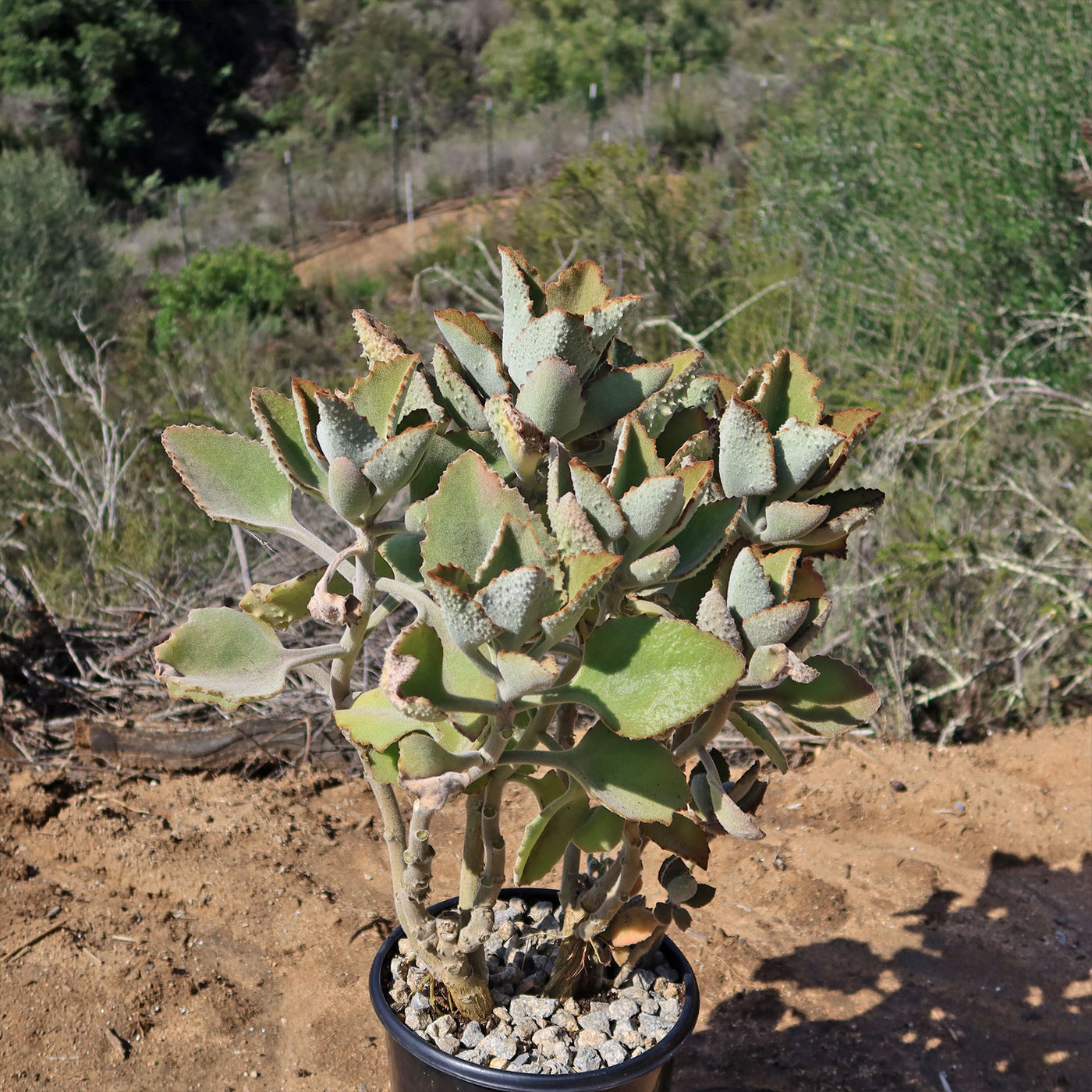
felt bush succulent Kalanchoe beharensis' Fang'Attention Gardeners, are you looking for low maintenance succulent plants that will make your garden stand out? Look no further than the Felt plant, known as Kalanchoe beharensis 'fang,' a striking member of the Go to Search results for Kalanchoe genus! Native to Behara in South Madagascar, this slow growing evergreen succulent plant has several other common names such as elephant's ears kalanchoe, felt bush, stalactite plant, velvet leaf plant, and
Attention Gardeners, are you looking for low-maintenance succulent plants that will make your garden stand out? Look no further than the Felt plant, known as Kalanchoe beharensis 'fang,' a striking member of the Go to Search results for Kalanchoe genus! Native to Behara in South Madagascar, this slow-growing evergreen succulent plant has several other common names such as elephant's ears kalanchoe, felt bush, stalactite plant, velvet leaf plant, and velvet elephant ear.
The striking Kalanchoe succulent stands out with its unique appearance and texture. The tree-like shrub succulent grows slowly up to 4 feet tall and 2 feet wide, producing triangular to lanced-shaped leaves with long stalks. The upper parts are bronze-like, while the undersides are silver-gray.
This particular variety, 'Fang,' gets its name from the toothed edges of its large, velvety leaves that are covered in a dense layer of fine hairs, which resemble the fangs of a creature. The leaves are a silvery-green color and can grow up to 10 inches long. The toothed edges add an extra touch of visual interest to the plant. As the plant matures, it develops a tree-like growth habit with a thick, woody stem and branching structure.
When it comes to Kalanchoe beharensis flowering plants, they produce small and tubular urn-shaped flowers that appear in clusters at the end of long stalks in the spring. They are usually a vibrant shade of red-orange or greenish-yellow flowers, adding a pop of color to the plant's unique foliage. While the flowers are interesting, this felt plant is grown for unique foliage.
Go to soil cactus mix blend 1 gal 4 qt cacti succulent dirt compost growing media Go to search results page?q=kalanchoe%20As for propagation, the Felt Plant 'Fang' can be propagated through stem cuttings or leaf cuttings. With proper care, the cutting will develop roots and grow into a new plant. Additionally, because this felt plant is mildly toxic to pets, it should be kept away from children and pets.
The Felt Plant 'Fang' is a fantastic addition to any succulent collection or as a standalone statement plant. Its unique texture, toothed leaves, and tree-like growth habit make it a captivating focal point in both indoor and outdoor gardens. If you are interested, you can get more Kalanchoe varieties at Planet Desert.
Watering Needs
When it comes to watering the Kalanchoe beharensis Felt Plant, it's important to strike the right balance. This drought-tolerant elephant-ear succulent prefers a "less is more" approach when it comes to watering. Overwatering can cause root rot and other problems, so it's best to overwater. Allow the soil to dry out between waterings, and make sure not to let the Kalanchoe plant sit in water or have its roots constantly wet. Checking the moisture level of the soil before watering is a good practice to ensure you're not overdoing it. Remember, this Kalanchoe beharensis is native to arid regions, so it's adapted to withstand periods of drought.
In terms of frequency, watering every 2-3 weeks during the growing season is usually sufficient. However, it's always important to adjust watering based on the specific conditions and environment the felt plant is in. You don't often need to water your kalanchoe succulent plant over the winter. You only need to apply enough water to keep the soil moist.
Factors like temperature, humidity, and the type of potting mix used can influence the kalanchoe fang water needs. It's always a good idea to observe your Felt Plant and adjust your watering routine accordingly.
Light Requirements
The Felt Plant Kalanchoe beharensis prefers full sun to partial sun in its natural habitat. It thrives in a spot with plenty of filtered bright light, such as near a window with a sheer curtain or in a well-lit room. However, it's important to avoid placing it in direct sunlight, as this can scorch the leaves and cause damage.
If you're growing the Felt Plants indoors, you can place them near a window that receives bright, indirect light for at least 4-6 hours a day. If you notice your fang plant stretching toward the light, it may be an indication that it needs more light. On the other hand, if you see the leaves turning yellow or brown, it could be a sign of too much direct sunlight.
In terms of outdoor placement, the Felt Plant can tolerate some morning or late afternoon sun, but it's best to provide it with some shade during the hottest part of the day. This will help protect the leaves from sunburn and maintain their vibrant green color.
Remember, finding the right balance of light for your felt bush is key to its overall health and growth. So, keep an eye on its response to the light conditions and make adjustments as needed.
Optimal Soil & Fertilizer Needs
The Felt Plant prefers well-drained soil that allows excess water to flow through easily. A mix of regular potting soil and perlite or sand can help create the ideal soil conditions. This will prevent waterlogged roots and promote healthy growth. Planet Desert specializes in succulents and has that includes an organic substrate with mycorrhizae to help with the growth of a healthy root system to help your elephant ear succulents thrive. As an okay alternative, you can create your own potting mix by combining equal portions of perlite, coarse sand, and good natural potting soil.
When it comes to fertilizing the Felt Plant Kalanchoe beharensis, a balanced NPK fertilizer (5-10-5) can be applied during the growing season in the spring. Be cautious not to over-fertilize, as this fang kalanchoe can lead to salt buildup in the soil and cause damage to the plant.
Remember, the Felt Plant is native to arid regions, so it doesn't require excessive fertilization. Providing it with well-drained soil and a light feeding schedule will help keep it happy and healthy. If you notice any signs of nutrient deficiency, such as yellowing leaves, you can adjust the fertilization accordingly.
Hardiness Zone & More
The Kalanchoe beharensis is typically hardy in USDA hardiness zones 11-12. It thrives in warm temperatures, ideally between 65-85°F. It can tolerate slightly cooler temperatures but may suffer damage if exposed to frost or freezing conditions.
In terms of humidity, the Felt Plant prefers moderate to high humidity levels. It can tolerate average humidity if grown indoors, but it may benefit from occasional misting or placing the bush plant on a tray filled with water and pebbles to increase humidity around it. If you live in a dry climate, using a humidifier or grouping plants together can help create a more humid microclimate for the Felt Plant.
Remember to monitor the temperature and humidity levels in your specific location and adjust accordingly to provide the best conditions for your Felt Plant. Creating a warm and moderately humid environment will help promote its growth and overall health.
Give it a try, and enjoy the beauty and intrigue this unique Kalanchoe beharensis 'fang' - felt plant brings to your home or garden!
Shipping Notes
- Free Standard Shipping on $100+ Orders to the USA.
- Except Preorder products are shipped in 48 hours.
- Delivery to the USA:
- Standard Shipping : 3-10 business days
- If time is of the essence, please consider selecting expedited delivery for faster service.
Exchange/Return Notes
- We offer a 30-day return/exchange service after receiving.
- Final sale items are not eligible for returns or exchanges.
- To process your return/exchange, please contact us at [email protected]
- Please click here for more details>>> Return & Exchange Policy