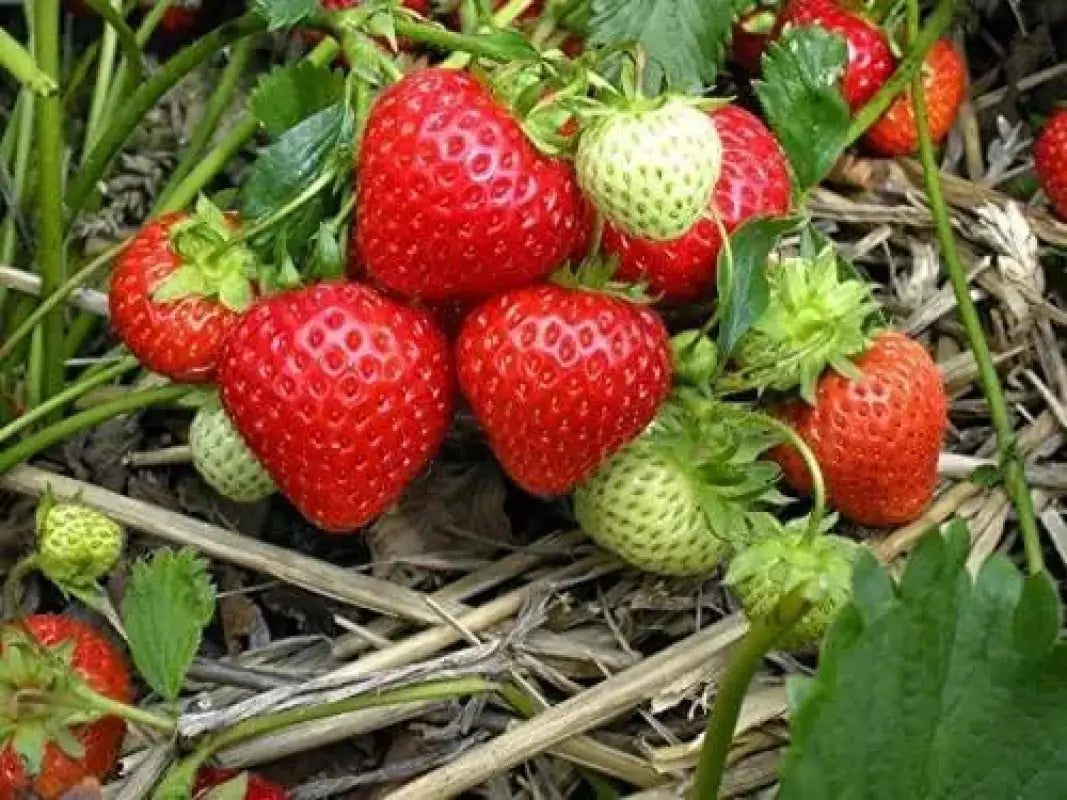
SKU: 70322310000
organic strawberry seeds for sale

organic strawberry seeds for sale 2 pack x 1200 seeds Organic Strawberry Seeds for Year-Round Planting

Sale price$26.86 Regular price$29.84
Save 10%

Pay in installments of $7.46 with ShopPay, AfterPay and Klarna

Shipping Estimate
USA
  • USA
  • CAN

Ships within 48 hours · Estimated delivery Aug 29 - Sep 3

Promo Codes Available:

For Your Every Summer RSVP, with Code: SUMMER15

Description

organic strawberry seeds for sale 2 pack x 1200 seeds Organic Strawberry Seeds for Year-Round PlantingTL; DR (AI Summary) 2400 organic strawberry seeds (Fragaria vesca & everbearing) for year round container gardening; ideal for small spaces like balconies and patios, with berries ready in 6090 days. Best for: Urban balcony gardeners Best for: Families with kids Best for: Home cooks wanting fresh berries Best for: Container and hanging basket growers Not suitable for: Large scale commercial farming Not suitable for: Indoor only growing without

TL;DR (AI Summary)

2400 organic strawberry seeds (Fragaria vesca & everbearing) for year-round container gardening; ideal for small spaces like balconies and patios, with berries ready in 60–90 days.

  • Best for: Urban balcony gardeners
  • Best for: Families with kids
  • Best for: Home cooks wanting fresh berries
  • Best for: Container and hanging basket growers
  • Not suitable for: Large-scale commercial farming
  • Not suitable for: Indoor-only growing without sufficient light
  • Not suitable for: Immediate harvest (requires 60–90 days)

Key Features:

  • Seed Count: 2400 seeds (2 packs of 1200)
  • Variety: Organic Fragaria vesca & everbearing types
  • Growing Locations: Hanging baskets, containers, patios, balconies
  • Time To Harvest: 60–90 days from sowing
  • Climate Adaptability: Perennial in cooler zones; everbearing annual in warm climates


Grow Your Own Strawberry Seeds (Fragaria vesca & everbearing varieties) – Sweet, Fragrant Homegrown Berries for Hanging Baskets, Container Patios & Urban Balcony Gardens Nationwide

Strawberry seeds (especially alpine and everbearing types like Fragaria vesca) let you grow true-to-type, intensely flavorful berries that taste far better than store-bought. These compact, runnerless or low-runner plants produce sweet, aromatic fruit from late spring through fall — perfect for fresh eating, smoothies, jams, and desserts. They thrive in small spaces: hanging baskets, window boxes, 5–10 gallon pots, or vertical planters. No big yard or raised beds required!

Ideal for urban home cooks, balcony gardeners, families with kids, and anyone wanting pesticide-free, ultra-fresh strawberries straight from their own space. In Chicago and cooler zones they grow beautifully as productive perennials in containers; in warmer southern states they perform as everbearing annuals with afternoon shade.

Step-by-Step Growing Guide (Seed to First Berries in 60–90 Days)

  1. Seed Prep & Sowing
    Tiny seeds — cold stratify for best results (place seeds in moist paper towel in fridge for 2–4 weeks). Surface sow (do not bury) on moist, sterile seed-starting mix; they need light to germinate. Keep at 65–75°F. Germinates in 14–30 days.
    • Nationwide timing tip: Start indoors 8–10 weeks before last frost. Chicago/Midwest/Northeast: late February–March. South/Southwest: February or direct sow once soil warms. West Coast: almost any mild month.
  2. Planting & Container Setup
    Full sun (6–8+ hours) or light afternoon shade in hot climates. Use well-draining, rich potting mix in 5–10 gallon pots, hanging baskets, or strawberry jars. Space 6–8 inches apart. Excellent drainage prevents crown rot.
  3. Germination & Early Care
    Keep soil evenly moist (mist gently) until sprouts appear. Thin or transplant once true leaves form. Light balanced fertilizer every 3–4 weeks after first true leaves. Protect young seedlings from slugs and birds.
  4. Growth & Maintenance
    Plants form neat mounds (6–12 inches tall) with few or no runners on alpine types. Mulch with straw to keep fruit clean and retain moisture. Consistent watering (never soggy) and occasional feeding keep production high. In Chicago summers they love balconies; in southern heat provide shade cloth during peak afternoon sun.
  5. Harvesting
    Pick fully red, fragrant berries when they easily detach. Harvest every 1–2 days for continuous production. Everbearing varieties keep fruiting until first hard frost. Save a few berries for next year’s seed saving!

Pro Tip for Every State: Grow in hanging baskets or containers for easy mobility — move to shade in heat waves or bring indoors before frost in Chicago. Vertical or stacked planters maximize tiny balconies.

Easy Strawberry Recipes for Home Cooks

  • Fresh Strawberry Balsamic Salad: Sliced berries with greens, goat cheese, and balsamic glaze.
  • Homemade Strawberry Jam or Freezer Jam: No pectin needed with these sweet varieties.
  • Strawberry Shortcake or Smoothies: Classic shortcake or blend with yogurt and banana for a quick breakfast.
  • Patios” rank fast.

Important Note: Strawberry seeds can take patience (slow germination), but the reward is superior flavor and true-to-type plants. Grow in containers everywhere to manage space and soil quality.

🍓🌱

Key Benefits

  • Sweet red berries from seed-grown plants
  • Compact plants – suitable for containers and hanging baskets
  • Cold stratification recommended for best germination
  • First fruit: 4–6 months from germination
  • Perennial – plants produce for 3+ years

How to Grow

  1. Cold stratify: freeze seeds 2–4 weeks before sowing
  2. Sow on surface of moist seed-starting mix; seeds need light
  3. Keep at 60–70°F; germination in 2–6 weeks (variable)
  4. Transplant seedlings when 2–3 inches tall; space 8–12 inches
  5. Plant in full sun with rich, well-draining soil
  6. Pinch first flowers to strengthen plant; allow later blooms to fruit

Specifications

Quantity: Type: Organic strawberry (variety may vary). First fruit: 4–6 months from germination. Spacing: 8–12 inches. Sun: Full sun (6+ hours). Lifespan: Perennial (3+ years). Cold stratification: Recommended.

Care & Storage

Store seeds in refrigerator or freezer for best viability. Strawberry seeds can be challenging—expect variable germination rates. Mulch plants in winter in cold climates.

Strawberry Seeds (Fragaria vesca & everbearing varieties) – Detailed 50-State Sowing Calendar (2026)

Strawberry seeds (especially alpine and everbearing types) are cool-season perennials that need cold stratification (2–4 weeks in the fridge) for reliable germination. They are more cold-tolerant than tropical herbs but hate extreme summer heat. Once established they fruit for years in containers.

Key rules that apply to every state:

  • Cold stratify first: Mix seeds with moist paper towel or vermiculite, seal in a bag, and refrigerate 2–4 weeks before sowing.
  • Surface sow (do not bury) — seeds need light. Germination is slow (14–30 days) at 65–75°F.
  • Start indoors 8–10 weeks before your last spring frost date.
  • Transplant outdoors after last frost when soil temperature is 50°F+ (strawberries tolerate light frost better than most tender crops).
  • In USDA zones 8–11 grow as fall-planted perennials or with afternoon shade.
  • Perfect for containers and hanging baskets nationwide.

Detailed 50-State Sowing Calendar (Grouped by Region for Easy Reading)
Dates are averages based on 50% probability last spring frost and typical 2026 conditions. Adjust ±7–10 days for your exact microclimate or elevation.

Region / States

Indoor Start (after stratification)

Transplant / Direct Sow

Notes / Example Cities

Northeast (ME, NH, VT, MA, RI, CT, NY, PA, NJ)

Late Jan – mid Feb

April 25 – May 20

New York City: Stratify Jan → Indoor early Feb → Transplant mid May

Midwest & Great Lakes (IL, IN, OH, MI, WI, MN, IA, MO, ND, SD, NE, KS)

Late Jan – late Feb

April 20 – May 15

Chicago, IL: Stratify mid Jan → Indoor late Jan–mid Feb → Transplant late April–early May

Mid-Atlantic & Upper South (DE, MD, DC, VA, WV, KY, NC, TN)

Mid Jan – early Feb

April 10 – May 5

Washington DC: Stratify late Jan → Indoor early Feb → Transplant late April

Southeast & Gulf (SC, GA, AL, MS, AR, LA, OK)

Dec – mid Jan

March 20 – April 20

Atlanta: Stratify Dec → Indoor early Jan → Transplant mid April (or fall plant)

Texas

North: Jan

Central/South: Dec–Jan

North: mid April

Central/South: March–early April

Dallas: Indoor early Jan → Transplant mid April

Houston: Fall planting recommended for best results

Florida

North: Nov–Dec

Central/South: Oct–Dec

North: Feb–March

Central/South: Dec–Feb

Miami: Plant in fall (Oct–Dec) for spring crop; treat as short-lived perennial

Southwest (AZ, NM, UT, NV)

Late Dec – early Feb

March 15 – April 25

Phoenix: Fall planting (Oct–Dec) or early spring with shade

Flagstaff: Indoor Feb → Transplant May

Mountain & Northern West (CO, ID, MT, WY)

Late Jan – mid Feb

Late April – late May

Denver: Stratify Jan → Indoor mid Feb → Transplant mid May

Pacific Northwest (WA, OR)

Late Jan – mid Feb

April 25 – May 20

Seattle: Indoor early Feb → Transplant mid May

California

Northern/Coastal: Jan–Feb

Southern/Inland: Dec–Jan

March–May

Los Angeles: Fall planting ideal

San Francisco: Indoor Jan → Transplant March–April

Alaska

Mid Feb – March

Late May – early June

Anchorage: Short season — best in containers with protection

Hawaii

Not needed (mild year-round)

Year-round (best Oct–March)

Honolulu: Plant in cooler months for strongest growth

Pro Tips for Every State

  • Chicago / Midwest / Northeast gardeners: Stratify in January and start indoors under grow lights for strong transplants ready around Mother’s Day. Containers let you move plants indoors during surprise late freezes.
  • Southern & Southwestern gardeners: Fall planting (September–December) often gives better spring crops than spring planting. Provide afternoon shade and consistent moisture in summer.
  • Container / balcony growers: Use 5–10 gallon pots or hanging baskets — perfect for urban spaces and easy to protect from extreme heat or cold.
  • Fall planning: In zones 7–11 you can start a second crop in late summer/fall for next year’s harvest.

🍓🌱

Key Terms

  • Fragaria × ananassa — Botanical name for garden strawberry
  • Cold stratification — Exposing seeds to cold to break dormancy and improve germination
  • Perennial — Plants that live and produce for multiple years

The first strawberry from a plant you grew from seed tastes sweeter than any store-bought berry—because you earned it.

Shipping Notes
  • Free Standard Shipping on $100+ Orders to the USA.
  • Except Preorder products are shipped in 48 hours.
  • Delivery to the USA:
  1. Standard Shipping : 3-10 business days
  • If time is of the essence, please consider selecting expedited delivery for faster service.
Exchange/Return Notes
  • We offer a 30-day return/exchange service after receiving.
  • Final sale items are not eligible for returns or exchanges.
  • To process your return/exchange, please contact us at [email protected]
  • Please click here for more details>>> Return & Exchange Policy
SKU: 70322310000

Discover Niche Categories That Outsell organic strawberry seeds for sale

Top-Converting Item to Boost Your Average Order

4.5 ★★★★★
Based on 9 reviews
Sort
Highest Rating
Newest First
Oldest First
Product Reviews
P
Verified Purchase
Philip B. Corriveau
Massapequa, US
★★★★★ 5
Solid, powerful, rechargeable
Color: Black
Very impressed with its weight, speed and performance. The dial is great
WAS THIS REVIEW HELPFUL?YesReportShare
Reviewed in the United States on May 29, 2026
C
Verified Purchase
Chief
Dallas, US
★★★★★ 4
Very nearly the perfect frother for all your basic frothing & mixing needs
Color: Black
There are a lot of middle-of-the-road frothers out there. I've been through a few of them in my recent search for something that could mix and froth well, without taking up any more outlets in my basement kitchen. Of the three Maestri frothers I've tried so far, this one wins the race by a nose. Most recently, these Maestri frothers come in basically three versions: A single-speed @ 8000 RPM, a two-speed @8000/5500 RPM, and this stepless variable-speed version. Aside from that, the only real difference in recent version pack-outs is which attachments they come with. Look over the reviews of the single-speed version and you'll find that while it can and does froth well, it starts at a single, high speed and gets there fast. This makes it pretty easy to spin liquid right out of most common cups and mugs. There is a two-speed version, but it's harder to find, only comes in one color (Grape Purple), and while it's much better than the Maestri single-speed, it still has a couple of quirks that make this variable-speed version win out. This mixes and froths whole milk, half-and-half, or heavy whipping cream, or just about anything else very well. Like all frothers, it takes a little time to learn its nuances and nail down the technique, this will definitely get you there. The best feature of this is easily the speed control. Turn the knob to turn it on at a low speed that's great to get things started, then turn the knob to crank up the speed just enough to do what you need, whether that's mixing or frothing. The low starting speed makes it easy to keep things under control without undue spilling, and the max speed is more than enough to make quick work of getting your froth on. There are really only two complaints I have with this stepless, variable speed version: - I'd really like to have a Press On / Release Off button in addition to the Speed Control knob. More than one time have I gone to turn this off, only to spin the knob the wrong way and crank the speed up to ludicrous, sloshing liquid on the counter. Being able to turn it Off just by letting go of the button would be quick and easy. This configuration would allow using a preferred speed right from the start, while still allowing speed to be adjusted on-the-fly when needed. - Give it a bigger battery. It would cost mere pennies to give this a 2000mAH+ instead of a 1200mAH battery, and I can't think of any reasonable downside to that. - Give the motor a little more torque. It's fairly easy for the current motor, at any speed, to get bogged down in a thick protein powder mix, or when pressing the frother or other attachment a bit too hard into the bottom or side of the frothing container. A bit more "oomph" would prevent that. I really like the overall design and features of thes Maestri frothers better than many other, cheaper versions. This variable-speed version is pretty great as it is and probably the one I would recommend over the single- or two-speed, for most people. But I often find myself using two hands -- one to hold it steady, and the other to turn it on and tweak the knob to the desired speed(s) -- for a device that should arguably need only one hand to use. Just a couple of minor tweaks as noted above would make this the overall best frother of its type that I've used.
WAS THIS REVIEW HELPFUL?YesReportShare
Reviewed in the United States on May 23, 2025
D
Verified Purchase
D. Smith
Alexandria, US
★★★★★ 5
Hands down, the BEST handheld frother I've ever used!
Color: Black
Hands down, the BEST handheld frother I've ever used! I got the black one, but any color will have the same results. Over the past 12 years or so, I've used so many different handheld frothers and they've ALL fallen short of expectations for quality, longevity, power, features, and usability. I've used everything from cheap, $15 models to $50+ models and everything in-between. Some with fancy attachments for various types of mixing, frothing, beating, whipping, etc. Some with rechargeable batteries, some without. Some AC powered, some with fixed whisks, some with detachable/replaceable whisks, some with stands, etc. NONE have been spectacular. Most broke within 6 months and got tossed. ALL were major disappointments in the end, including the "revered" Zulay models of which I tried several. I finally found this Maestri House branded, variable speed frother with detachable / replaceable whisks and got one to try. I was literally on Cloud Nine the first time I turned it on. Like, WOW! Not only was it FAST on the highest speed, but it was powerful enough to churn right through milk, eggs, cream, etc, without bogging down like many others. This thing makes milk froth like a milkshake and Matcha Lattes like nothing else I've ever experienced. I used to have to sift my Matcha, then whisk it in hot water, then froth milk and then blend them together to make the perfect latte. and if the milk was cold (my preference), pre-whisking in hot water was a must to avoid lumps. However, with THIS frother? I literally pour my milk into a tall tumbler, drop in un-sifted Matcha powder, and spin up the Maestri House frother at first on a medium low speed to get it mixed, then jump straight to the highest speed to really whip that milk and match up. After about 30-45 seconds, I've got the thickest, richest, smoothest, most aerated latte around. And NO LUMPS at all!!! What a time and dish saver! And cleaning? I just run it under hot running water to get the shaft cleaned and then spin it up in a dish with hot running water for a few moments, then spin it on high for a few seconds in the air to dry it off instantly. Now, I'll be honest here, too. The specs say it can go months on a charge, using it for a couple minutes a couple times daily. Well, I guess it could do that and still spin. But I use it FULL SPEED, churning hard for at least a minute a couple times per day. After about 2 weeks, I can start to notice a speed reduction so I just plug it back in on the charger. All things considered, this is still better than all the other handheld frothers I've used over the years. After using the heck out of this thing for the past 7 months, I've even decided to start selling these in our Japanese gift shop. The manufacturer is has been very responsive both in customer support (I called them about an issue I thought I was having, and they called me back with a couple hours even though I didn't leave voicemail when they didn't answer right away) and in reseller support. I have to give these guys an A+ for responsiveness and quick resolution when problems might arise. HIGHLY recommended!!
WAS THIS REVIEW HELPFUL?YesReportShare
Reviewed in the United States on October 17, 2025
H
Verified Purchase
Hawaii Keith
Belleville, US
★★★★★ 5
Great Addition!
Color: Black
Why did you pick this product vs others?: I just started a powdered drink routine recently and was having a difficult time mixing it with water. I would consistently end up with small nuggets of mix making it unenjoyable to drink. I knew I needed a mixer and was glad I found this device when I did. It works perfectly! I like the fact that it comes with its own stand and included two mixing heads. It is solid, well-designed, and you can feel the quality when you pick it up. The variable speed of the mixer is perfect for ensuring that everything is blended well. I haven’t used it to “froth” anything yet, at least not on purpose, but I accidentally found out that it can do that well. This is a great addition to our kitchen and is very easy to wash after use. So far…no issues. Highly recommend for those of you looking for the right tool to make sure those protein mixes aren’t full of unmixed nuggets.  
WAS THIS REVIEW HELPFUL?YesReportShare
Reviewed in the United States on June 21, 2025
S
Verified Purchase
Suzi blue
West Palm Beach, US
★★★★★ 4
Low foam
Color: Black
Love this frother. It is great quality and the turn speed is amazing. My only issue is this. It comes w 2 wands and they are both singles. The single is great for stirring things up. It does not make a lot of froth and for some things it’s perfect but sometimes I like a lot of froth and I wish it either came w a single and a double or you could purchase a double separately to intermix. I don’t want to buy a whole other unit just for the double. I wrote to them bc the double frother they sell doesn’t look as good as this one but sometimes a girl needs a lot of foam and sometimes th stirring is perfect.
WAS THIS REVIEW HELPFUL?YesReportShare
Reviewed in the United States on February 20, 2026

recommand products