Pay in installments of $5.25 with
 ,
,
 and
and

Shipping Estimate
USA
- USA
- CAN
- USA
- CAN
Ships within 48 hours · Estimated delivery Sep 25 - Sep 30
 Promo Codes Available:
For Your Every Summer RSVP, with Code: SUMMER15
Description
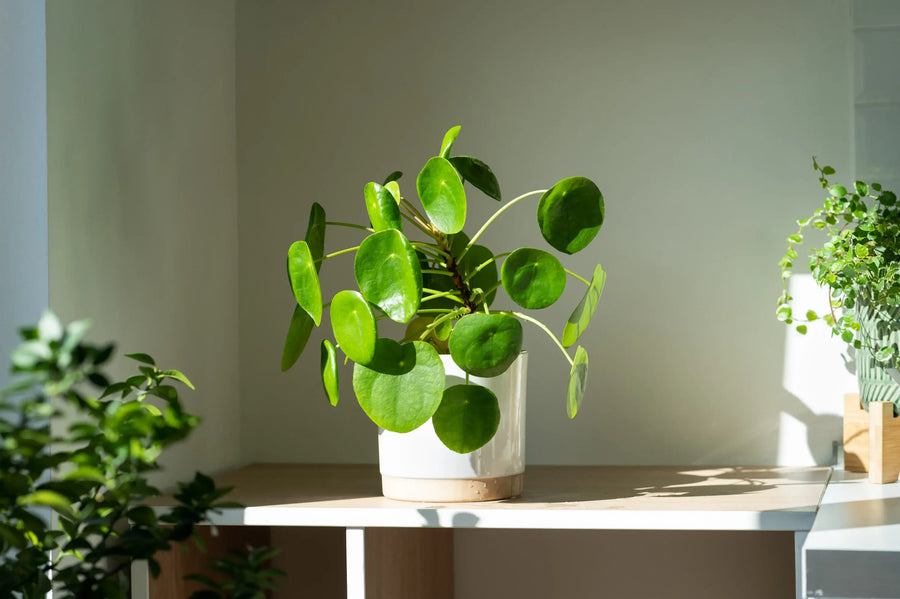
clusia plant indoor care Clusia 'Princess'Clusia rosea 'Princess' Clusia rosea 'Princess' is a compact cultivar of the autograph tree, grown for thick, glossy, deep green leaves and a sturdy upright habit. The leaves are broad, leathery and slightly succulent, giving the plant a bold upright shape even while young. In a pot, it develops into a dense, branching foliage plant with firm stems and a full leafy crown. The species behind this cultivar, Clusia rosea, is a tropical tree from Florida,
Clusia rosea 'Princess'
Clusia rosea 'Princess' is a compact cultivar of the autograph tree, grown for thick, glossy, deep green leaves and a sturdy upright habit. The leaves are broad, leathery and slightly succulent, giving the plant a bold upright shape even while young. In a pot, it develops into a dense, branching foliage plant with firm stems and a full leafy crown.
The species behind this cultivar, Clusia rosea, is a tropical tree from Florida, the Caribbean, Central America and northern South America. In nature it can grow terrestrially or begin life above ground as an epiphyte before developing stronger root contact as it matures. Its firm leaves tolerate bright exposure, while the roots grow best in a free-draining, airy container mix.
Clusia rosea 'Princess' key features
- Compact, upright Clusia rosea cultivar with a dense potted habit
- Thick, leathery, glossy green leaves with a rounded to obovate outline
- Strong stems that branch well after light pruning
- Tropical evergreen foliage plant for bright indoor positions
- Best grown in a free-draining mix that still allows even moisture
Clusia rosea 'Princess' growth and natural background
Clusia rosea belongs to the Clusiaceae and is known for opposite, firm-textured leaves and a branching woody habit. Outdoors in tropical climates the species can form a tree, while indoors 'Princess' stays as a manageable foliage plant with repeated branching from the upper stems. The thick leaf surface handles warmer, brighter conditions, and the roots grow best with moisture and air moving through the substrate.
In warm landscapes, Clusia rosea grows from full sun to dappled shade and tolerates sandy, coastal conditions. Indoors, it needs bright light, steady warmth and drainage. A well-grown plant holds its leaves close on sturdy stems and gradually thickens into a rounded, upright shape.
Clusia rosea 'Princess' care indoors
- Light: Place in bright indirect light or gentle direct morning/evening sun. Stronger light keeps the growth compact; acclimate slowly before any sunnier summer placement.
- Watering: Water thoroughly, then allow the upper part of the substrate to dry before watering again. The thick leaves make brief dry intervals manageable, while cold saturated substrate stresses the roots.
- Substrate: Use a chunky, free-draining mix with peat-free potting soil, bark, mineral grit or pumice. The mix should hold light moisture while staying airy.
- Temperature: Keep warm, ideally above 16 °C, with steady room temperatures and protection from cold draughts.
- Humidity: Average to moderate indoor humidity usually suits the plant when watering and light are balanced. Dry heated rooms may increase brown tips on older leaves.
- Feeding: Feed lightly during active growth with a balanced houseplant fertiliser. Reduce feeding in winter or during low-light periods.
- Pruning: Trim stem tips to encourage branching and keep the crown full. Use clean tools and wipe away any milky sap after cutting.
- Repotting: Repot when roots fill the pot or watering becomes difficult to manage. Choose a pot with drainage holes and only a modest size increase.
Clusia rosea 'Princess' troubleshooting
- Yellow lower leaves: Check whether the substrate is staying wet too long, especially in winter. Increase drying time and improve drainage.
- Soft stems or leaf drop: Inspect the roots for wet, low-oxygen conditions and move the plant into a warmer, brighter position.
- Brown leaf edges: Review watering gaps, heat from radiators and direct midday sun through glass.
- Stretchy new growth: Move gradually closer to a brighter window or add a grow light during darker months.
- Scale or mealybugs: Check stems and leaf undersides, then remove pests early with manual cleaning and repeated follow-up checks.
Clusia rosea 'Princess' toxicity and safety
Clusia rosea contains milky sap that can irritate skin and mucous membranes. Keep the plant away from pets and children, and wash hands after pruning or handling cut stems.
Clusia rosea 'Princess' etymology and botanical background
Clusia honours Charles de l’Écluse, better known by the Latinised name Clusius. The species epithet rosea means rose-like or rose-coloured, referring to the pinkish flower colour associated with the species. Clusia rosea Jacq. is an accepted species in the family Clusiaceae.
Shipping Notes
- Free Standard Shipping on $100+ Orders to the USA.
- Except Preorder products are shipped in 48 hours.
- Delivery to the USA:
- Standard Shipping : 3-10 business days
- If time is of the essence, please consider selecting expedited delivery for faster service.
Exchange/Return Notes
- We offer a 30-day return/exchange service after receiving.
- Final sale items are not eligible for returns or exchanges.
- To process your return/exchange, please contact us at [email protected]
- Please click here for more details>>> Return & Exchange Policy