Pay in installments of $6.50 with
 ,
,
 and
and

Shipping Estimate
USA
- USA
- CAN
- USA
- CAN
Ships within 48 hours · Estimated delivery Oct 1 - Oct 6
 Promo Codes Available:
For Your Every Summer RSVP, with Code: SUMMER15
Description
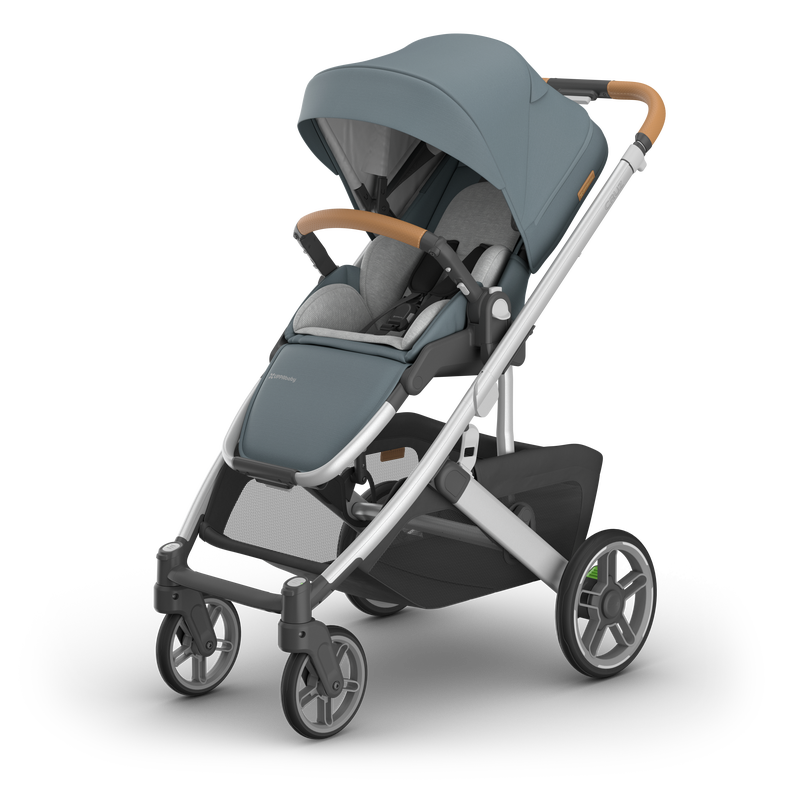
how to collapse uppababy vista stroller UPPAbaby Cruz V3 Strollerby UPPAbaby Babesta Pick Best Full Size Single Stroller for NYC Families Category: Full size strollers Single strollers Travel systems Birth to toddler strollers Certifications: GREENGUARD Gold JPMA Certified REACH certified leather Warranty: 3 year transferable The UPPAbaby Cruz V3 is a 26. 5 lb full size single stroller suitable from birth (with the included infant insert) to 50 lbs. Its fully reversible, lay flat seat, 4 position one hand recline,
by UPPAbaby | Babesta Pick — Best Full-Size Single Stroller for NYC Families
Category: Full-size strollers | Single strollers | Travel systems | Birth-to-toddler strollers
Certifications: GREENGUARD® Gold | JPMA Certified | REACH-certified leather
Warranty: 3-year transferable
The UPPAbaby Cruz V3 is a 26.5 lb full-size single stroller suitable from birth (with the included infant insert) to 50 lbs. Its fully reversible, lay-flat seat, 4-position one-hand recline, integrated foot barrier for carriage mode, and magnetic harness buckle make it one of the most genuinely newborn-ready full-size strollers on the market — no separate bassinet required for the first weeks. As NYC’s expert baby boutique, Babesta considers the Cruz V3 the sweet spot for families who want full-size quality and a premium push without the bulk of a modular platform stroller.
The Cruz V3 is the ideal pick for first-time parents expecting one child who want a stroller that works from the hospital through preschool, delivers a smooth ride on NYC sidewalks, and still folds compactly enough for a car trunk or elevator lobby. If you’re planning to expand to two or more children in a single stroller, consider the UPPAbaby Vista V3 instead.
|
Specifications |
|
|
Stroller weight (frame + seat) |
26.5 lbs |
|
Frame weight only |
17 lbs |
|
Seat weight only |
9.5 lbs |
|
Unfolded dimensions |
37.5″ L × 22.5″ W × 41.8″ H |
|
Folded dimensions (with seat) |
17.5″ L × 22.5″ W × 33″ H |
|
Folded dimensions (without seat) |
13.5″ L × 22.5″ W × 30″ H |
|
Fold type |
One-step trigger fold; footrest and bumper bar tuck in automatically; self-standing |
|
Suitable from birth? |
Yes — with included infant insert in lay-flat reclined seat + integrated foot barrier |
|
Suitable without accessories? |
From birth with infant insert; up to 50 lbs |
|
Max child weight |
50 lbs (approx. age 4–5) |
|
Basket weight capacity |
30 lbs — extra-large, easy-access |
|
Seat orientation |
Reversible: forward-facing or parent-facing |
|
Seat recline positions |
4 positions, one-hand adjustment; full lay-flat for sleep |
|
Leg rest |
Adjustable with one hand |
|
Handlebar |
Telescoping, one-hand height adjustment; REACH-certified leather grip |
|
Suspension |
Enhanced FlexRide™ — all-wheel, frame-integrated for smooth city ride |
|
Tires |
Never-flat polyurethane; front wheel lock with visual indicator; reflective accents for low-light visibility |
|
Canopy |
UPF 50+ water-repellent; integrated sun shield; zip-out extension; mesh ventilation panels |
|
Harness |
5-point with magnetic buckle; infant-to-toddler tapered fit; no-rethread adjustment |
|
Frame material |
Durable aluminum; painted finish |
|
Seat fabric |
100% polyester; GREENGUARD® Gold certified; premium fabrics with leather details |
|
Certifications |
GREENGUARD® Gold; JPMA certified; REACH-certified leather |
|
Warranty |
3-year transferable |
|
Included in box |
Stroller, infant insert, bug shield, rain shield |
Best For / Not For
Best For: First-time parents planning on one child, families who want a full-size premium push without a modular platform, parents building a UPPAbaby travel system with the Mesa or Aria infant car seat, elevator-building NYC residents, and anyone who needs a newborn-ready stroller without buying a separate bassinet. Also strong for parents who walk long distances daily and need a stroller that handles NYC sidewalks and park terrain comfortably.
Not For: Families planning to convert to a double stroller (choose the Vista V3 instead), parents in walkup buildings who need a carry-up stroller (the Joolz Aer2 is better for that), or parents who need an airplane-overhead-bin stroller. At 26.5 lbs it is a daily city stroller, not a travel stroller.
|
Available Colors & Pricing |
|
|
Colors |
Jake (black), Callum (blue), Greyson (charcoal), Evelyn, Julian, Owen, Savannah (white/grey), Ada — all $899.99 |
|
Frame options |
Graphite or Carbon (matte) — matched per colorway |
|
Availability |
Most colors in stock at Babesta; allow 2–3 weeks for order fulfillment |
|
Is it suitable for my baby's age? |
|
|
Newborn (0–3 months) |
Yes — seat reclines fully flat with included infant insert and integrated foot barrier for carriage mode. No separate bassinet required for newborn use (though the V3 Bassinet is available separately for maximum lie-flat comfort). |
|
Infant (3–12 months) |
Yes — seat reclined or semi-reclined, infant insert still in use, compatible with Mesa or Aria infant car seat for travel system use. |
|
Toddler (1–4 years) |
Yes — forward or parent-facing, 4-position one-hand recline, adjustable leg rest, magnetic harness, up to 50 lbs. |
Is it good for NYC / city use?
Yes — the Cruz V3 is one of Babesta’s strongest recommendations for NYC parents who stroll daily. The Enhanced FlexRide suspension handles cracked sidewalks and dropped curbs better than most full-size strollers, and the never-flat tires mean no emergency trips to get a flat fixed mid-walk. The one-step fold is quick and intuitive; the footrest and bumper bar tuck in automatically so there are no extra steps when you’re managing a baby and a cab door at the same time.
The 22.5″ width is notably narrower than the Vista V3 (25.7″), which matters in NYC: restaurant aisles, elevator doors, and narrow hallway entries are all more manageable. The 30 lb basket is best-in-class for a single stroller and handles a full grocery bag without issue.
NYC note: The Cruz V3 folds compactly and self-stands, but it is not a subway-carry stroller. It works best for families with a car, a building elevator, or a ground-floor entrance. For subway-heavy days, many Cruz V3 families pair it with a lightweight like the Joolz Aer2.
Quick Comparison: Cruz V3 vs. Key Alternatives
|
Feature |
Cruz V3 |
Vista V3 |
Joolz Aer2 |
Dragonfly |
|
Weight |
26.5 lbs |
27.6 lbs |
14.3 lbs |
With seat 21.8 lbs; with bassinet 23.1lbs |
|
Basket capacity |
30 lbs |
30 lbs |
17.6 lbs |
22 lbs; rear pocket 5lbs |
|
Newborn-ready (no extra purchase) |
Yes — incl. infant insert |
No |
Yes — incl. baby net |
Yes when purchased with bassinet |
|
Converts to double |
No |
Yes |
No |
No |
|
Subway/walkup friendly |
Manageable |
Harder |
Best in class |
Good |
|
Car Seat Compatibility |
|
|
No adapter needed |
UPPAbaby Mesa, UPPAbaby Aria |
|
Adapter required (sold separately) |
Clek, Cybex, Bugaboo x Nuna |
|
Bassinet compatible? |
Yes — UPPAbaby Cruz V3 Bassinet attaches directly; sold separately |
What’s Included
• UPPAbaby Cruz V3 stroller frame
• Full-size reversible toddler seat with lay-flat recline
• Infant insert (for newborn use from birth)
• Bug shield
• Rain shield
• 3-year transferable warranty
Optional Add-Ons Available at Babesta
• UPPAbaby Cruz V3 Bassinet — for full lie-flat newborn use; attaches directly without adapters (strongly recommended for 0–3 months)
• UPPAbaby Mesa Infant Car Seat — clicks in without adapters for instant travel system
• UPPAbaby Aria Infant Car Seat — clicks in without adapters
• Car seat adapters for Clek, Cybex, Bugaboo x Nuna, Chicco, Maxi-Cosi, Peg Perego (sold separately per brand)
• PiggyBack® Ride-Along Board — for an older sibling standing at the back
• Cozy Ganoosh — footmuff/sleeping bag for cold NYC winters
• Cup holder and parent organizer accessories
Babesta Pick — Why We Carry It
The Cruz V3 solves a problem that a lot of NYC first-time parents don’t anticipate: the other premium single strollers in this price range either require you to buy a separate bassinet for newborn use, or they’re so light that the ride quality suffers on cracked sidewalks. The Cruz V3 does neither. The included infant insert plus the lay-flat seat means you genuinely can take it home from the hospital. The FlexRide suspension means the push is smooth enough that you’ll want to keep strolling — which in NYC, where parents walk miles a day, is not a small thing.
We’ve also found that the magnetic harness buckle is one of those features that sounds like marketing until you’ve wrestled a squirming 18-month-old into a conventional buckle in the rain outside a restaurant. After that, you will never want a non-magnetic buckle again.
The one trade-off we are honest about: if there’s any chance you’ll want a double stroller, the Cruz V3 cannot convert. In that case, the Vista V3 at the same $899.99 price is the smarter long-term investment. But for the family that is confident in one child and wants the best single full-size stroller in the UPPAbaby lineup, the Cruz V3 is it.
Babesta Services on This Purchase
When you buy the Cruz V3 from Babesta, you get:
• Free in-store assembly and full stroller demo — we walk you through every fold, recline, and harness adjustment
• Home delivery below Canal Street NYC (assembled) and same-day courier delivery in NYC/Brooklyn (unassembled)
• Hold it until you’re ready — buy now, take delivery when baby arrives, no rush
• Price match guarantee — found it cheaper? We’ll match it
• Registry support — add the Cruz V3 and compatible accessories to your Babesta registry with expert guidance
Frequently Asked Questions
Can I use this stroller from birth without buying a bassinet?
Yes — the Cruz V3 is one of the only full-size strollers at this price point that is genuinely newborn-ready out of the box. The included infant insert, combined with the seat’s full lay-flat recline and integrated foot barrier, creates a carriage-mode position suitable from day one. That said, Babesta does recommend the separately sold UPPAbaby Cruz Bassinet for the first 3 months if you want true lie-flat comfort and a fully enclosed sleep environment.
What is the difference between the Cruz V3 and the Vista V3?
Both share the same FlexRide suspension, magnetic harness, canopy quality, and 30 lb basket. The key differences: the Cruz V3 is a single-only stroller (it cannot convert to a double), is 2 lbs lighter (26.5 vs. 27.6 lbs), and is 2.9″ narrower (22.8″ vs. 25.7″). The Vista V3 can expand to a double or triple stroller with accessories. If you might have a second child, choose the Vista V3. If you’re confident in one child and want a slightly lighter, narrower, more streamlined stroller, choose the Cruz V3. Babesta’s team can walk you through this decision in person.
Which infant car seats are compatible without adapters?
The UPPAbaby Mesa and UPPAbaby Aria click directly onto the Cruz V3 frame with no adapters needed, creating a seamless travel system. For Clek, Cybex, Bugaboo x Nuna, Chicco, Maxi-Cosi, and Peg Perego, brand-specific adapters are sold separately. Ask the Babesta team for the right adapter for your car seat brand.
Does the bassinet come included?
No — the UPPAbaby V3 Bassinet is sold separately. It attaches directly to the Cruz V3 frame without adapters. Babesta recommends it for the first 3 months, particularly for parents who want a dedicated sleep-safe lie-flat environment for their newborn.
Is it good for Central Park and outdoor walks?
Yes — the FlexRide suspension and never-flat tires handle grass, gravel, and mixed terrain well for everyday park use. The Cruz V3 is not a jogging stroller. For trail or beach use, stick to paved or packed surfaces.
Can I try it in person?
Yes — the Cruz V3 is on the floor at Babesta Tribeca, 56 Warren Street. Our team will walk you through the fold, the infant insert setup, the recline positions, and — if relevant — the side-by-side difference with the Vista V3 so you can decide between them confidently.
Can I put this on my baby registry?
Yes — the Cruz V3 is a top registry pick at Babesta. A Babesta registry comes with exclusive perks and services, and our team can advise on which accessories to register for from day one versus which ones to wait on based on your lifestyle.
Does it fit through a standard NYC doorway?
Yes — at 22.8″ wide, the Cruz V3 passes through standard 28″–32″ interior doorways, elevator doors, and most restaurant and retail aisles without issue. It is one of the narrower full-size strollers in its class.
Shipping Notes
- Free Standard Shipping on $100+ Orders to the USA.
- Except Preorder products are shipped in 48 hours.
- Delivery to the USA:
- Standard Shipping : 3-10 business days
- If time is of the essence, please consider selecting expedited delivery for faster service.
Exchange/Return Notes
- We offer a 30-day return/exchange service after receiving.
- Final sale items are not eligible for returns or exchanges.
- To process your return/exchange, please contact us at [email protected]
- Please click here for more details>>> Return & Exchange Policy