Pay in installments of $5.60 with
 ,
,
 and
and

Shipping Estimate
USA
- USA
- CAN
- USA
- CAN
Ships within 48 hours · Estimated delivery Sep 29 - Oct 4
 Promo Codes Available:
For Your Every Summer RSVP, with Code: SUMMER15
Description
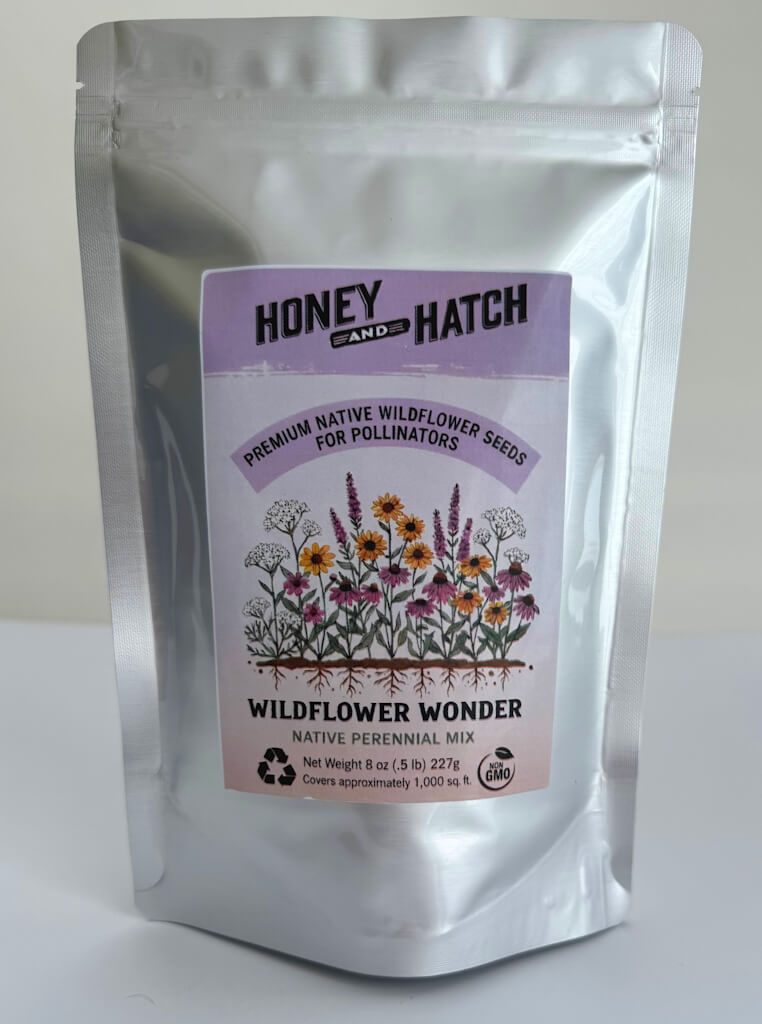
perrenial wild flower seeds Native Perennial Pollinator Wildflower Seed Mix, 8 oz, Covers 1,000 sq – Honey and HatchThese blends were tested on our Kentucky homesteadthrough heat, rain, chickens, and beesbefore we ever considered selling them. Tiffany, Owner of Honey & Hatch Summary WILDFLOWER WONDER Native Perennial Pollinator Wildflower Seed Mix Bring your land to life with color, movement, and a sense of purpose. WILDFLOWER WONDER transforms any open space into a thriving, blooming ecosystem bursting with native wildflowers that support bees, butterflies, birds,
“These blends were tested on our Kentucky homestead—through heat, rain, chickens, and bees—before we ever considered selling them.”
- Tiffany, Owner of Honey & Hatch
Summary
WILDFLOWER WONDER Native Perennial Pollinator Wildflower Seed Mix
Bring your land to life with color, movement, and a sense of purpose. WILDFLOWER WONDER transforms any open space into a thriving, blooming ecosystem bursting with native wildflowers that support bees, butterflies, birds, and beneficial insects while creating a stunning, low-maintenance landscape you’ll love year after year.
WILDFLOWER WONDER is a premium blend of mainly perennials with a few species of annuals and biennials selected for exceptional bloom diversity, long flowering windows, and ecological impact. This mix is designed to establish quickly, then build lasting perennial beauty that regenerates itself over time. From early spring through fall, your fields, gardens, and borders will be alive with nectar-rich flowers and natural color. Each 8-oz bag covers up to 1,000 square feet of planting area.
Custom-designed to perform across a wide range of growing conditions, this carefully curated wildflower blend includes native species that are resilient, pollinator-friendly, and visually stunning.
✔ Native to the Central & Eastern United States
✔ Comprised of regionally native prairie, meadow, and woodland-edge species
✔ Species are native to Kentucky and surrounding states
✔ Designed to reflect historic prairie–meadow ecosystems
WILDFLOWER WONDER includes:
- White Yarrow – A tough, long-blooming native that attracts beneficial insects
- Partridge Pea – A bright yellow annual loved by pollinators and soil builders
- Lance-Leaved Coreopsis – A cheerful native daisy with long-lasting blooms
- Plains Coreopsis – Vibrant yellow and maroon color for summer impact
- Illinois Bundleflower – A nitrogen-fixing native that supports wildlife
- Purple Coneflower – A pollinator magnet and iconic prairie flower
- Chocolate Cherry Sunflower – Tall, dramatic blooms for birds and bees
- Gayfeather (Liatris) – A butterfly favorite with bold purple spikes
- Wild Bergamot (Bee Balm) – Fragrant, nectar-rich blooms that bees adore
- Evening Primrose – Twilight blooms that support night pollinators
- Black-Eyed Susan – A classic wildflower that blooms all summer
- Ohio Spiderwort – A striking blue native that thrives in mixed plantings
Plant WILDFLOWER WONDER and create a living, breathing pollinator sanctuary that continues to grow stronger every year. With non-GMO seed, excellent germination, and a diverse mix of native species, this blend delivers beauty, biodiversity, and soil health in one powerful planting.
Honey and Hatch seed blends are made from carefully selected, premium-quality natural seed products that support individuals, families, and land stewards who want to grow in harmony with nature. Our mixes create healthy spaces for bees, birds, chickens, and gardens to flourish naturally. 🌿
We believe regenerative growing starts with responsible seed and for that reason we do not use or sell seed that is treated with Neonicotinoid pesticides. Honey & Hatch seed supports pollinators, strengthens soil biology, and contributes to resilient ecosystems, without compromise.
Details
Specifications
- Brand: Honey and Hatch
- Product Type: Native Wildflower Seed Mix
- Style: Pollinator & Habitat Wildflower Blend
- Size (each): 8 oz. Covers approximately 1,000 square feet of planting area.
- Shelf Life: Viable for 2+ years. Use within 1-2 years for optimal germination
- Contents: Carefully curated blend of mainly native perennials with a few varieties of annuals and biennials, including White Yarrow, Partridge Pea, Coreopsis, Bundleflower, Purple Coneflower, Sunflower, Bee Balm, Gayfeather, Black-Eyed Susan, Evening Primrose, and Ohio Spiderwort. Non-GMO.
- Packaging: Individually packaged and sealed for freshness in easy-to-use packets. Each packet is individually tagged with a contents label, branding and planting guidance. Eco-friendly outer packaging footprint supports environmental sustainability.
Benefits
WILDFLOWER WONDER does far more than look beautiful. This carefully balanced blend of native wildflowers actively improves your land while supporting the pollinators and wildlife that make your ecosystem thrive.
√ POLLINATOR POWER. Provides a continuous nectar and pollen source for bees, butterflies, hummingbirds, and beneficial insects from early spring through fall.
√ LONG-LASTING BLOOMS. A mix of annuals, biennials, and perennials ensures fast first-year color and self-renewing blooms that return year after year.
√ SOIL BUILDING & REGENERATION. Includes nitrogen-fixing species like Partridge Pea and Illinois Bundleflower that naturally improve soil fertility and structure.
√ WILDLIFE SUPPORT. Creates habitat and food sources for birds, butterflies, and beneficial insects while helping stabilize your landscape.
√ LOW-MAINTENANCE BEAUTY. Once established, this native blend requires minimal watering, mowing, or replanting, nature does the work for you.
√ NATIVE ADAPTATION. Built from regionally adapted native species that thrive in diverse conditions and outcompete many weeds once established.
How to Use
🌿 Wildflower Wonder — How to Use
WILDFLOWER WONDER is a carefully engineered blend of native annuals, biennials, and perennials that delivers fast color, long-term structure, and lasting ecosystem value. Each species in this mix plays a role, some bloom quickly to attract pollinators the first season, while others quietly build deep roots that fuel years of spectacular flowering.
🌱 When to Plant
This mix can be planted in spring or fall, depending on your growing strategy.
- Spring Planting (March–June). Spring sowing favors fast bloomers like Plains Coreopsis, Partridge Pea, Chocolate Cherry Sunflower, and Evening Primrose, which can flower in the first year. Perennials such as Purple Coneflower, Black-eyed Susan, Wild Bergamot, Gayfeather, and Ohio Spiderwort will focus on establishing strong root systems for years of future growth. If planting in the spring, some perennial natives that require cold stratification may not produce until the following year, unless using the process of indoor cold stratification. This is a great option if planting later in spring.
- Fall Planting (Mid-September to Freeze). Fall sowing mimics nature. Several species in this mix including Purple Coneflower, Yarrow, Gayfeather, Ohio Spiderwort, and Wild Bergamot benefit from winter cold exposure (cold stratification), which improves germination rates and creates thicker, more resilient stands in spring.
🌾 Site & Soil Preparation
WILDFLOWER WONDER thrives in full sun (6+ hours daily). These species evolved in open prairies and meadows, where light drives bloom production and nectar output.
- For best results, remove all grass and weeds
- Loosen the top 1–2 inches of soil
- Do not over-fertilize species like Illinois Bundleflower, Partridge Pea, and Coreopsis thrive in lean soils and will outcompete weeds when nutrients are balanced
- Mix seed with sand or peat moss for even distribution
🌼 How to Plant
- Broadcast seed evenly over the prepared area.
- Press lightly into the soil, do not bury deeply.
- Water gently.
- Many species in this mix including Yarrow, Coreopsis, Coneflower, and Black-Eyed Susan require light to germinate.
💧 Watering
- Keep soil consistently moist during the first 4–6 weeks.
- After establishment, most species become drought tolerant due to their deep prairie-style root systems.
🌻 What Each Variety Contributes
This mix was designed for layered bloom, season-long color, and ecological function.
- White Yarrow: A drought-tolerant perennial with delicate white flower clusters. Establishes strong roots in Year 1 and becomes a long-lived pollinator magnet.
- Partridge Pea: A fast-growing annual legume that fixes nitrogen in the soil, improving fertility while producing bright yellow blooms that bees adore.
- Lance-Leaved Coreopsis: A reliable perennial with golden flowers that blooms heavily once established. Excellent for early-summer color and pollinators.
- Plains Coreopsis: An annual/biennial that provides fast first-year color while self-seeding to sustain future generations.
- Illinois Bundleflower: A native legume with fern-like foliage that quietly enriches soil and supports beneficial insects.
- Purple Coneflower: A keystone perennial deep roots, long bloom period, and one of the most important nectar plants for butterflies and bees.
- Chocolate Cherry Sunflower: A tall, dramatic annual that brings quick height, bold color, and seed for birds.
- Gayfeather (Liatris): A vertical, purple-spiked perennial that blooms in mid-summer and draws monarchs and native bees.
- Wild Bergamot (Bee Balm): An aromatic perennial with lavender blooms one of the top pollinator plants in North America.
- Evening Primrose: A fast-blooming biennial that opens at dusk and supports night-pollinating moths and beneficial insects.
- Black-Eyed Susan: A hardy perennial/biennial that flowers heavily and helps anchor wildflower stands.
- Ohio Spiderwort: An early-blooming perennial that provides nectar before many species awaken.
🌿 What to Expect
Year 1: Fast growers like Plains Coreopsis, Sunflower, Partridge Pea, and Evening Primrose bring color while perennials establish roots.
Year 2–3: Coneflower, Gayfeather, Yarrow, Wild Bergamot, Black-Eyed Susan, and Coreopsis fill in with heavy blooms.
Long Term: Self-seeding species create a living meadow that improves each season.
🌼 Maintenance
- Mow or trim weeds above 6–8 inches in Year 1
- Do not fertilize
- Leave seed heads standing in fall
- Optional spring cutback keeps things tidy
❄️ Cold Stratification Why Winter Makes Better Wildflowers
Many native wildflowers evolved to sprout only after experiencing winter. This natural survival mechanism prevents seeds from germinating during a warm fall and being killed by frost. The process that unlocks germination is called cold stratification, a period of moist, cold conditions that signals to seeds that spring has arrived.
Without cold exposure, some species will germinate slowly, unevenly, or not at all. With it, they sprout more reliably and produce stronger, longer-lived plants.
🌿 Why It Matters in Wildflower Wonder
Wildflower Wonder contains both fast-germinating annuals and deep-rooted native perennials. Several of the most valuable long-term bloomers in this mix rely on cold stratification for optimal performance.
Cold stratification:
- Improves germination rates
- Creates more uniform stands
- Produces stronger root systems
- Increases drought and heat tolerance
- Leads to heavier flowering in future years
🌼 Species in This Mix That Benefit from Cold Stratification
The following varieties perform best when exposed to winter cold before sprouting:
Requires or Strongly Benefits from Cold Stratification
- Purple Coneflower
- White Yarrow
- Gayfeather (Liatris)
- Wild Bergamot
- Ohio Spiderwort
- Black-Eyed Susan
- Lance-Leaved Coreopsis
- Illinois Bundleflower
These species are the backbone of your meadow the long-lived perennials that bring structure, height, and pollinator power year after year.
Does NOT Require Cold Stratification (fast bloomers)
- Plains Coreopsis
- Partridge Pea
- Chocolate Cherry Sunflower
- Evening Primrose
These are designed to germinate quickly and bring first-season color while the perennials are establishing.
🌾 How to Cold Stratify The Easy Way (Fall Planting)
The simplest and most natural way is fall planting.
- Plant your Wildflower Wonder seed between mid-September and freeze-up
- Winter snow, rain, and freezing temperatures naturally stratify the seeds
- In spring, they awaken and germinate on their own
This method produces the strongest, most natural wildflower stands and requires no extra work.
🧊 How to Cold Stratify Indoors (If You’re Planting in Spring)
If you missed fall planting, you can mimic winter in your refrigerator.
- Mix seeds with a slightly damp paper towel or peat moss
- Place in a sealed bag
- Refrigerate for 30–60 days (do not freeze)
- Remove and sow directly into prepared soil
This gives cold-loving species like Coneflower, Liatris, Yarrow, and Bergamot the winter signal they need to sprout properly.
🌱 What Happens If You Skip It?
Seeds that need cold stratification may:
- Germinate sporadically
- Take months to appear
- Wait until the following year
- Or fail to emerge at all
This is why fall-planted wildflower meadows almost always look fuller, healthier, and more natural than spring-planted ones. Seeds in Wildflower Wonder can be sown from fall through the end of June (with consistent moisture). Some seeds may not produce until the following year.
Our Process
Honey and Hatch WILDFLOWER WONDER is carefully curated and hand-mixed in small batches in the USA by our team that takes pride in crafting high-quality seed blends. We use only select, premium-quality non-GMO wildflower seed chosen for beauty, resilience, and ecological impact.
Our wildflower blends are ideally suited for individuals, families and land stewards who want to support pollinators, improve soil health, and create thriving natural spaces on their property. WILDFLOWER WONDER creates healthy habitats where bees, butterflies, birds, chickens, and gardens can flourish naturally.
Reviews
Shipping Notes
- Free Standard Shipping on $100+ Orders to the USA.
- Except Preorder products are shipped in 48 hours.
- Delivery to the USA:
- Standard Shipping : 3-10 business days
- If time is of the essence, please consider selecting expedited delivery for faster service.
Exchange/Return Notes
- We offer a 30-day return/exchange service after receiving.
- Final sale items are not eligible for returns or exchanges.
- To process your return/exchange, please contact us at [email protected]
- Please click here for more details>>> Return & Exchange Policy